The Institute's opinion
We confirm the Cormorant Control Plan for fish farms, which will be approved at the next Regional Council meeting. At the same time, we acknowledge ISPRA's unfavorable opinion on the section that called for extending interventions to recreational fishing lakes and open water, but we disagree with its outcome. As a Region, we have indeed incorporated the main observations made by the Institute in 2025 and, based on those recommendations, developed a new and robust proposal, more narrowly focused on the areas of intervention and with a clear objective: protecting biodiversity and the balance of aquatic ecosystems, reconciling the protection of fish fauna with the economic and social activities related to fishing. We are convinced that environmental protection must go hand in hand with recognizing the value these activities represent for our regions. This is what Alessio Mammi, Regional Councilor for Agriculture and Fisheries for Emilia-Romagna, said.
The Region's new proposal
Mammi spoke out after ISPRA, the Italian National Institute for Environmental Protection and Research, issued a binding negative opinion on the Region's new proposal, which aimed to extend the Cormorant Control Plan, until now limited to the protection of fish farms, to include open waters and recreational fishing lakes. The extension request, formulated in line with plans approved in other regions and following the Institute's initial opinion, which last year requested further investigation, identified specific areas for action, justifying the need for intervention in each area.
Protection not up for discussion
"Our Plan does not question the protection of the cormorant, but rather begins with the need to protect biodiversity as a whole: birds, native fish species, and aquatic ecosystems, along with the economic and social activities that depend on them," the councilor continues. "It's a balance we believe is important to safeguard, addressing the various pressures currently affecting our waters, from climate change to invasive species, to cormorant predation. As a Region, we have worked precisely in this direction, with the aim of reconciling the needs of species conservation with the protection of fish fauna and aquatic ecosystems."
The cormorant
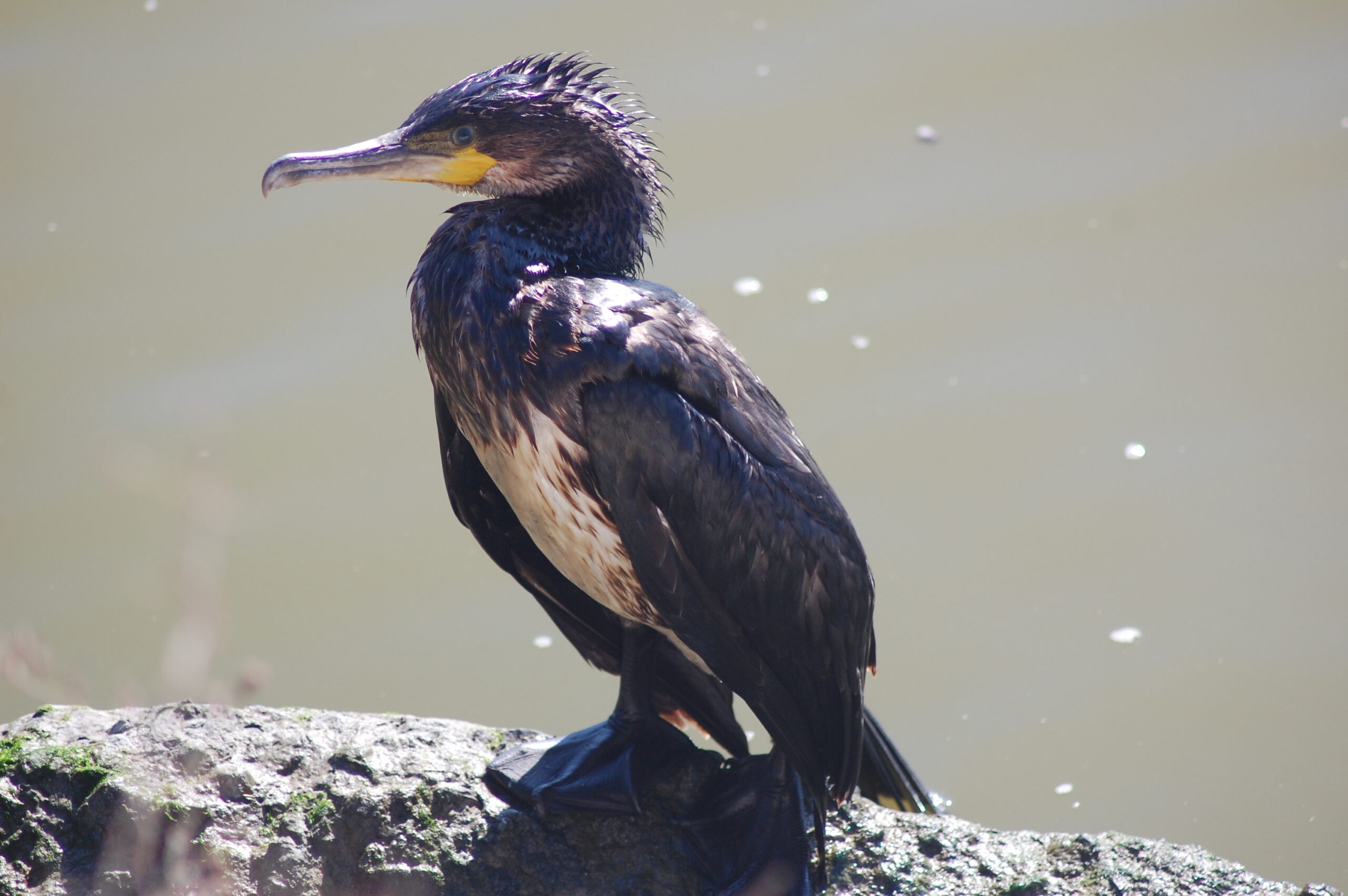
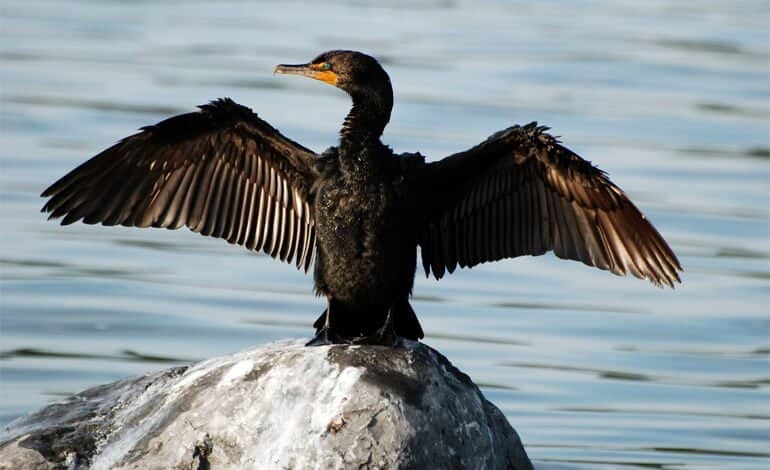
The great cormorant is a protected species under Law 157 of 1992 and European Directive 2009/147/EC. However, the legislation allows for exemptions in exceptional circumstances, such as serious damage to production. For this reason, the Emilia-Romagna Region, in full compliance with the national and European regulatory framework, has already implemented a comprehensive prevention, compensation, and management system. The Plan currently being approved confirms the provisions of the previous Five-Year Cormorant Control Plan, allowing, in specific cases, also removal operations, carried out by trained personnel and limited to the protection of fish farming activities.
Urgent meeting
"The Region's action will not stop at the opinion received," Mammi concludes. "We will urgently request a meeting with ISPRA to further explore the rationale, also in light of the plans already approved in other regions. We believe our proposal is consistent with these plans, while also taking into account the unique geographical, environmental, and socioeconomic characteristics of Emilia-Romagna, which distinguish it from other regions. At the same time, we believe it is necessary to develop uniform and shared methodological criteria at the national level. For this very reason, last March I wrote to the relevant ministers, requesting that they promote coordination in the management of the species and establish a technical committee to develop a National Cormorant Surveillance Plan. The goal is to reconcile the protection of avifauna with the safeguarding of native fish biodiversity and the economic and social activities related to fishing." (Source: Emilia-Romagna Region)
You May Also Like ..