


Deep sorrow
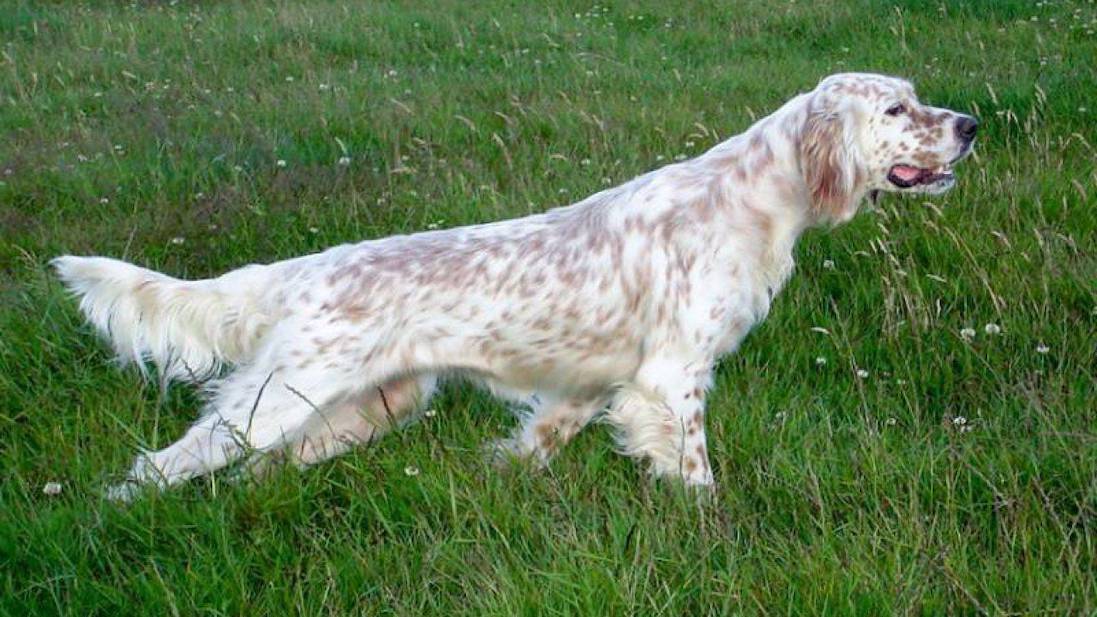
The Italian Hunting Federation expresses its firm condemnation, as well as profound regret and dismay, for the recent events involving the deaths of seven hunting dogs while being transported by car. We would have acted the same way had they been sheepdogs or companion dogs. There are no extenuating circumstances when the respect due to an animal entrusted to our care is lacking. It is a relationship built on care, attention, trust, and mutual understanding, which is built every day.
Concrete and daily commitment
This emotional bond also comes with a concrete, daily commitment. Owning a dog means taking care of its food, health, veterinary care, training, and well-being, all of which also involves significant costs over time. These efforts demonstrate the importance of a dog in a hunter's life and, naturally, allow you to approach hunting with a healthy, well-trained animal in suitable condition. Caring for your dog, in short, means, first and foremost, respecting and loving it, and this naturally finds expression in the desire to have it in the best possible condition.
The work of the investigators
Precisely for this reason, any individual behavior that betrays these principles must be harshly condemned and taken as a warning to prevent such incidents from happening again. Those who made mistakes will be personally held accountable for their actions and the consequences of their carelessness. Investigators will determine what happened and why; we do not want to replace them with summary trials, which we have once again witnessed in the press and on social media. However, we also clearly state that, in light of the incident in question, we do not consider it acceptable for a dog or any other living being to be treated like baggage without concern for even its minimal needs and well-being. Equally unacceptable, however, and we strongly reiterate this, is that this incident be used once again to smear hunters as a whole.
Different sensitivity
For a hunter, a dog is not a tool, but a companion with whom they share an important part of their life and passion, and for the vast majority of hunters, it represents one of the most profound values of hunting. It is a bond that has become even more conscious over time: awareness of animal welfare has grown, and with it, the attention and care hunters devote to their dogs, before, during, and after hunting. It is no coincidence that the strongest condemnations of this incident have come from hunters themselves, and a quick look on social media is enough to see this. It is in this context, based on daily responsibility and a profound relationship between man and animal, that the behavior of those who may have failed in their duties cannot be erased. For our part, we will continue to vigorously inform and educate hunters, because even what is already good can always be improved (source: FIDC).
You May Also Like ..
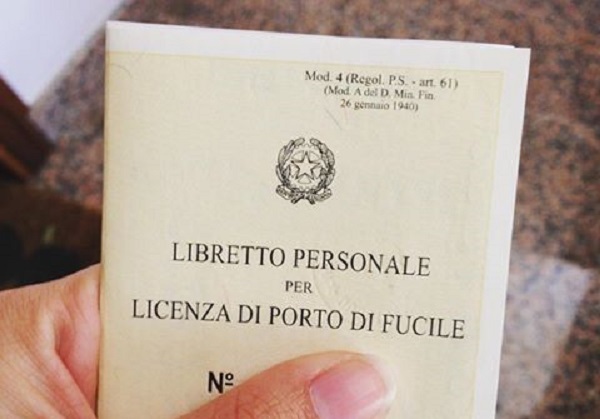

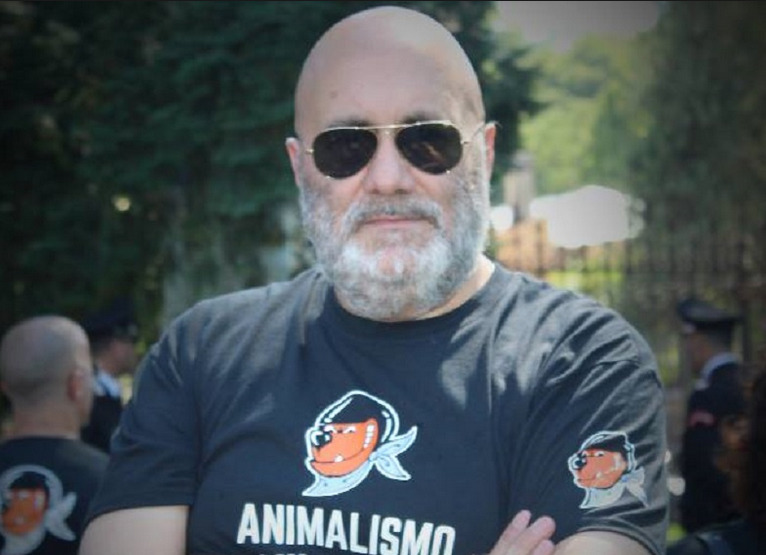























I am a Tuscan hunter from the province of Siena. I obtained my hunting license in 1973, when I was still a minor—the age of majority was twenty-one—and I held it for forty-nine years, until 2022. Even if only briefly, I experienced the last glimmers of an extraordinary epic, when we hunted HERBS and PHEASANTS, not caged chickens and rabbits like today. The hunt was managed by the Province, employing personnel with perhaps only a fifth-grade education, but who knew what they were doing through experience and true passion. The ZRC (Restricted Hunting Areas), which were few at the time—unlike now, when there are two or three per municipality, because everyone wants to protect their own little patch—were well populated and, in addition to natural irradiation, provided top-quality hares in the well-disciplined captures organized under the iron-clad guidance of the provincial guards, who themselves took care of capturing the pheasants with the famous prodine. There used to be surveillance; if you broke the rules, you paid for it later. Now the Provincial Police Force, made up of personnel undoubtedly with higher qualifications, seems to be busy with completely different matters. They have clean shoes, they're reduced to the level of simple clerks, i.e., they drive around in modern SUVs, more suited to paved roads than dirt tracks. Before, they had a few 500s and at most a few 127s, and they often wandered the countryside on foot, suddenly finding you in front of them. Now, the lack of surveillance is entrusted exclusively to the goodwill of a few GGVVs from the hunting associations. Then management passed to individual or associated municipalities, then the ATCs were born, and things have only gotten worse. The ZRCs are practically empty, reduced to mere hunting reserves for wild boar hunters. Repopulations involve introducing chickens or caged rabbits (we haven't even been using these lately). In the past, my area, but also the entire province of Siena and Tuscany in general, were a popular destination for hunters from nearby regions to migrate. Now, our hunters are forced to go there because, from what I hear, they can find something. At this point, albeit reluctantly, I made the Solomonic decision to leave everything behind because my current hunting world isn't my cup of tea.