Tuscany has recently monopolized much of the hunting news, and continues to do so, as evidenced by the interview Governor Eugenio Giani gave to the newspaper "La Nazione." Many issues were addressed, all of them highly topical.
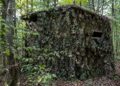
sheds
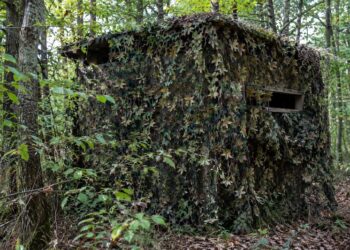
The limitations complained about by hunters regarding hides and the potential new costs prompted Giani to clarify: "The fixed hides located in scheduled hunting areas outside the Natura 2000 Network sites, which account for nearly 90% of the total, will not be subject to changes. The procedures established in the Natura 2000 Network areas have actually existed for many years and have essentially remained unchanged. Indeed, changes in ownership are planned in areas where they were previously prohibited, which prevents the disappearance of historic hides and encourages migration. The same applies to costs: the cost of submitting the application for a new permit is the €16 stamp duty. In practice, therefore, there are no changes compared to the past; in fact, the plan protects all fixed hides in the Tuscany Region."
Wild boar hunting
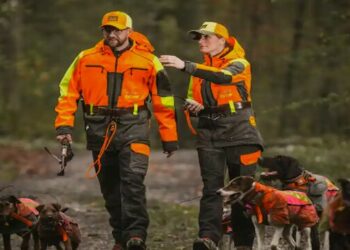
The governor's response regarding wild boar hunting by stalking is as follows: "There is no change compared to the past; everything remains the same. Regarding control measures, the situation has actually improved, especially for the protection of agricultural production. That is, control measures, including by stalking, are permitted year-round in areas where hunting is prohibited (or during closed hunting seasons), until February 28th and from August 1st, even in Natura 2000 sites without restrictions. From March 1st to July 31st, the same procedure applies in cultivated areas. Only outside (in the woods, to be clear) in Natura 2000 sites, during the period from March 1st to July 31st, is an impact assessment required to carry out control measures pursuant to Article 37. We are talking about very few annual interventions at the regional level, in areas that are generally not susceptible to damage to crops. In this case, however, since these interventions are recurring, the Vinca must be carried out every five years."
Use of lead
Equally relevant is the in-depth analysis of lead ammunition in the Tuscan Wildlife Plan: "Nothing new has been added. In 2021, the European Commission issued Regulation (EU) 2021/57 limiting the use of lead in wetlands, which was implemented by the Ministries in 2023. These guidelines, which Tuscan hunters are already familiar with, have been included in the Plan, as they are the same ones reported in the two previous hunting calendars. The hunting world's difficulties arise from the definition of 'wetlands' used in the Ramsar Convention, which creates uncertainty. For this reason, several clarifications have been issued by the two ministries, which have failed to clarify the issue. The solution will be the definitive implementation of the amendment to Law 157/92 of November 2024, which requires the Ministries to map the areas. The Region has already identified them for some time."
Game plan for hunting
Finally, a response to the concerns of Tuscan hunters: "The Regional Wildlife Hunting Plan is a balanced initiative that will allow Tuscan hunters to continue pursuing their passion without undergoing any changes compared to the past. It takes into account some fundamental principles contained in the plan, which must include respect for the environment, wildlife conservation, sustainable hunting, and, above all, the protection of agricultural crops and human safety. To address this issue appropriately and in a balanced manner, it is necessary to work scientifically with the data. Our long-standing collaboration with the scientific community, the expertise of our technical offices, and the Region's ongoing investment in wildlife and land management are recognized nationwide, and our strength is based on these principles."
You May Also Like ..