A seven-month journey
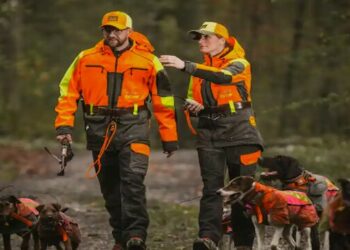
"There is no profession more beautiful than that of a hunting officer, because nature is his calling," said Günther Rabensteiner, president of the South Tyrolean Hunters' Association, addressing the newly graduated hunting officers. From February to September, 19 participants attended the demanding training course organized by the Latemar Forestry School of the Provincial State Property Agency, in collaboration with the South Tyrolean Hunters' Association and the Provincial Office for Wildlife Management. With the successful completion of this 11th hunting officer course, South Tyrol can now count on 15 new qualified professionals. In the future, they will make an important contribution to wildlife management, nature conservation, and the sustainable pursuit of hunting in the province. The new hunting officers come from all areas of the province and range in age from 20 to 55. Despite their diverse professional backgrounds, they share a common goal: to assume responsibility for wildlife, nature, and hunting. As is the case with many other professional categories, the hunting patrol sector is currently experiencing generational change. Given the retirement of many hunting officers, strengthening the workforce is particularly necessary.
Responsibility towards nature
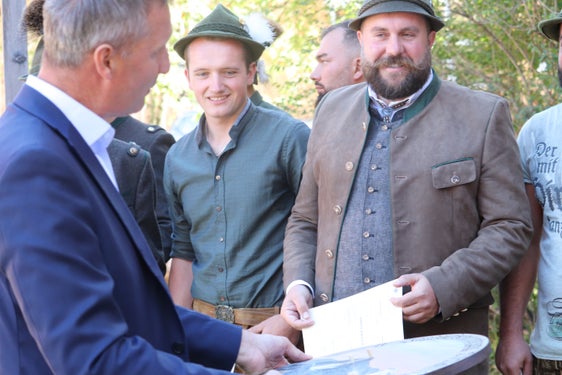
Provincial Forestry Councilor Luis Walcher presented the diplomas to the successful participants of the course on September 3: "With the Provincial Property Office and the Latemar Forestry School, we have an important training and knowledge base for the forest, wildlife, and nature. This course demonstrates the strong interest in hunting in South Tyrol. Our approximately 6.200 hunters assume a responsibility towards nature, observe it, understand its interconnections, and respect it. I wish the new hunting officers every success in their new roles and am confident that they will contribute to maintaining the good reputation that hunting enjoys in South Tyrol well into the future," he emphasized.
The skills acquired
Florian Reichegger, wildlife ecologist and coordinator of the Latemar Forestry School, followed the training: "The goal of this course was to provide participants with the skills needed to tackle their future assignments," he emphasized. "In addition to knowledge of hunting and wildlife biology, participants also learned conflict management and knowledge transfer methods. These aspects are essential for collaborating with landowners and stakeholders in the area, to protect natural habitats and promote sustainable management of wildlife populations."
Level of preparation
Dominik Trenkwalder, director of the Provincial Office for Wildlife Management, chaired the examination committee and assessed the candidates' level of preparation: "A total of 28 candidates took the exam: 19 course participants and another 9 members of the Provincial Forestry Corps with hunting permits. Eighteen candidates passed both the oral and written tests." According to Trenkwalder, thanks to the in-depth training they received in wildlife biology, ecology, hunting law, police skills, as well as wildlife management and hunting practice, the candidates are now prepared to serve as professional hunting officers: "They are all highly motivated, and for many of them, it is a dream come true. The exam has further confirmed their suitability for the role of hunting officer. Now it's time to put this knowledge into practice. Many hunting reserves are already eagerly awaiting the hiring of new hunting officers." (Source: Province of Bolzano)
You May Also Like ..