Coordinated management
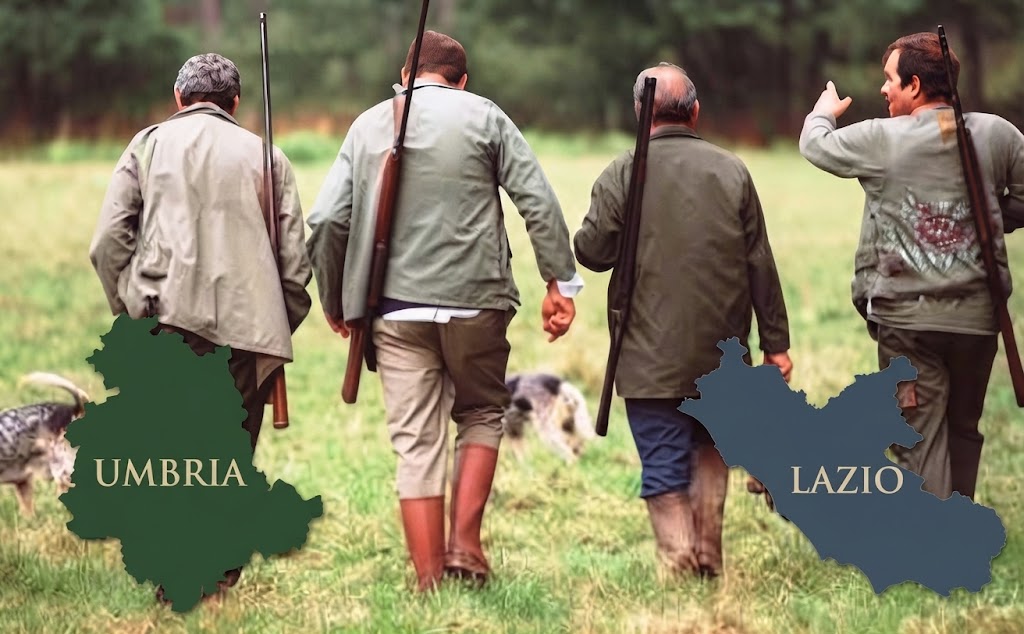
A new step toward more coordinated management of hunting mobility between regions. The regional governments of Umbria and Lazio have approved the draft reciprocity agreement for the 2026/2027 hunting season, confirming and continuing the collaboration established in previous years. The agreement governs the exchange of hunters between the two regions, within the framework of national and regional provisions governing access to Territorial Hunting Areas for non-resident hunters. The measure, proposed by Umbria Region Councilor for Hunting, Simona Meloni, aims to ensure a shared framework for hunting mobility, promoting coordination between administrations and planned management of hunting populations. "Collaboration between neighboring regions is essential to effectively manage hunting mobility and provide hunters with a clear and shared framework of rules," Meloni stated, emphasizing the importance of reciprocity and institutional coordination.
The goal: clear rules and planning
The agreement between Umbria and Lazio represents a model of interregional collaboration that involves not only regional administrations, but also the Territorial Hunting Areas, hunting associations, and supervisory bodies, which are called upon to contribute to the proper implementation of the provisions. Effective management of mobility can allow for better planning of access for non-resident hunters, avoiding overlaps and ensuring greater clarity in procedures. Councilor Meloni reiterated that the goal is to support hunting activity through planning that takes into account the needs of hunters, wildlife management, and the characteristics of the different territories.
The reference to Tuscany
Particularly significant is the reference to Tuscany, which the Umbrian councilor has identified as a possible next step for a similar reciprocal agreement. "Our commitment doesn't end here; we intend to replicate the agreement with the Tuscany region," Meloni stated. This opening could be particularly beneficial for the hunting community, given the mobility relationships between Umbria and Tuscany and the presence of numerous hunters who hunt outside their home region.
Reciprocity, a tool to be enhanced
Establishing reciprocal agreements between regions can be a useful tool for making hunting mobility more orderly and transparent, especially when accompanied by shared planning and simple, easily enforceable rules. The experience between Umbria and Lazio therefore deserves attention, especially with a view to a possible comparison with Tuscany. Any agreement should ensure regulatory certainty, transparent access, balanced distribution of hunting pressure, and coordination between the ATCs of the affected regions. Hunting mobility, in fact, cannot be addressed solely through individual annual measures; it requires ongoing dialogue between administrations and hunting representatives. Umbria's openness toward Tuscany can therefore provide an opportunity to initiate institutional dialogue aimed at building a system of reciprocity capable of meeting hunters' needs and, at the same time, the planning and management needs of the territories. The Umbria-Lazio model therefore looks beyond the borders of the two regions: the next comparison could involve Umbria and Tuscany.
You May Also Like ..