The 2025 reports
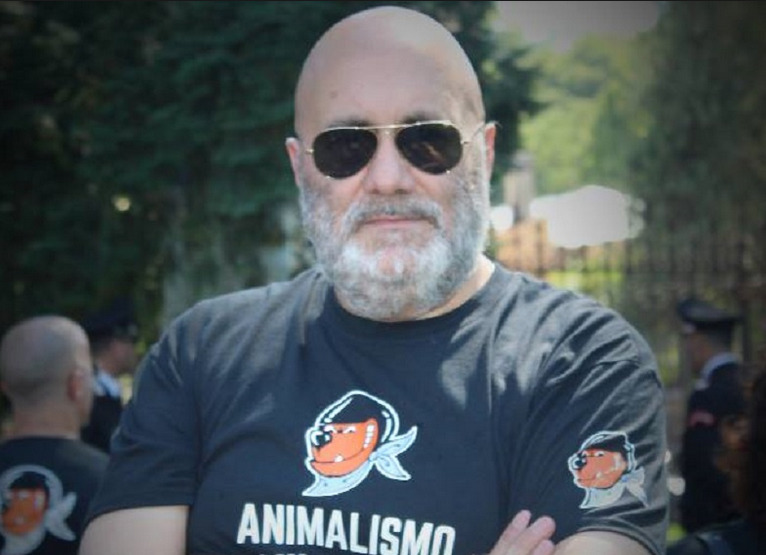
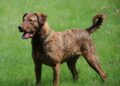
The annual report to the Regional Council highlights a more complex human-animal relationship, amidst social fragility, urban coexistence, and new emergencies. Pets, in particular, accounted for the largest share of reports submitted in 2025 to the Piedmont Region 's Animal Rights Guarantor , Paolo Guiso. This data also reflects a shift in society: since the pandemic, the number of dogs and cats in households has significantly increased, and with it, problematic situations related to coexistence between people and animals have increased.
The thermometer of social transformations
The reports therefore represent a kind of thermometer of social transformations in the area. And the work of the Guarantor does not end with collecting requests: the goal is to connect citizens, municipalities, veterinary services, law enforcement, associations, and institutions to seek responses to the most complex situations. Fewer, but equally significant, are the reports concerning wild animals, farmed animals, and species that live in close contact with humans. Particular attention is paid to synanthropic animals, that is, those species that have learned to live in urban environments or in the immediate vicinity of cities.
Wildlife
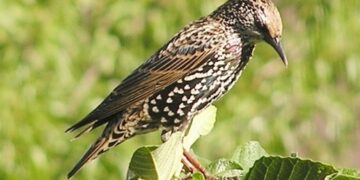
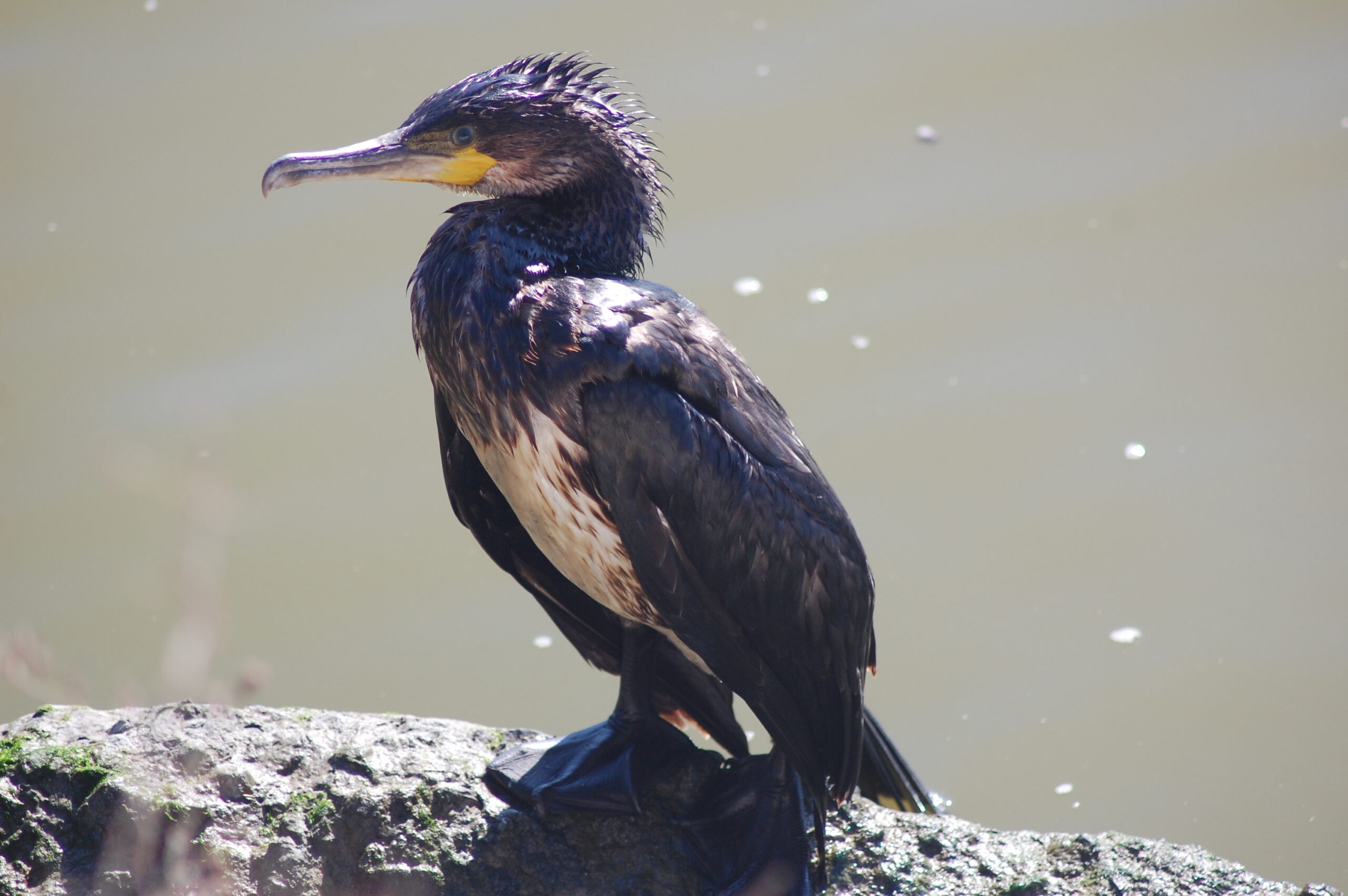
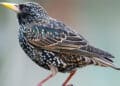
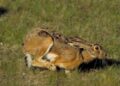
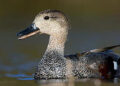
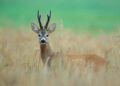
Seagulls, coypus, gray squirrels, birds of prey, crows, hedgehogs, badgers, foxes, wild boars, and, increasingly, even wolves are now part of a landscape where the boundary between urban and natural environments has become increasingly blurred. Their presence arouses curiosity and interest, but also fears and questions: how should we behave? When does an animal pose a threat? Who should intervene? What behaviors should citizens adopt? These are questions to which the Guarantor, together with the administrations and other stakeholders, is called upon to provide answers. Because the phenomenon is not limited to individual reports: animal populations change, move, adapt, and in turn alter the balance of the landscape (source: Piedmont Regional Council).
You May Also Like ..