Regional emergency
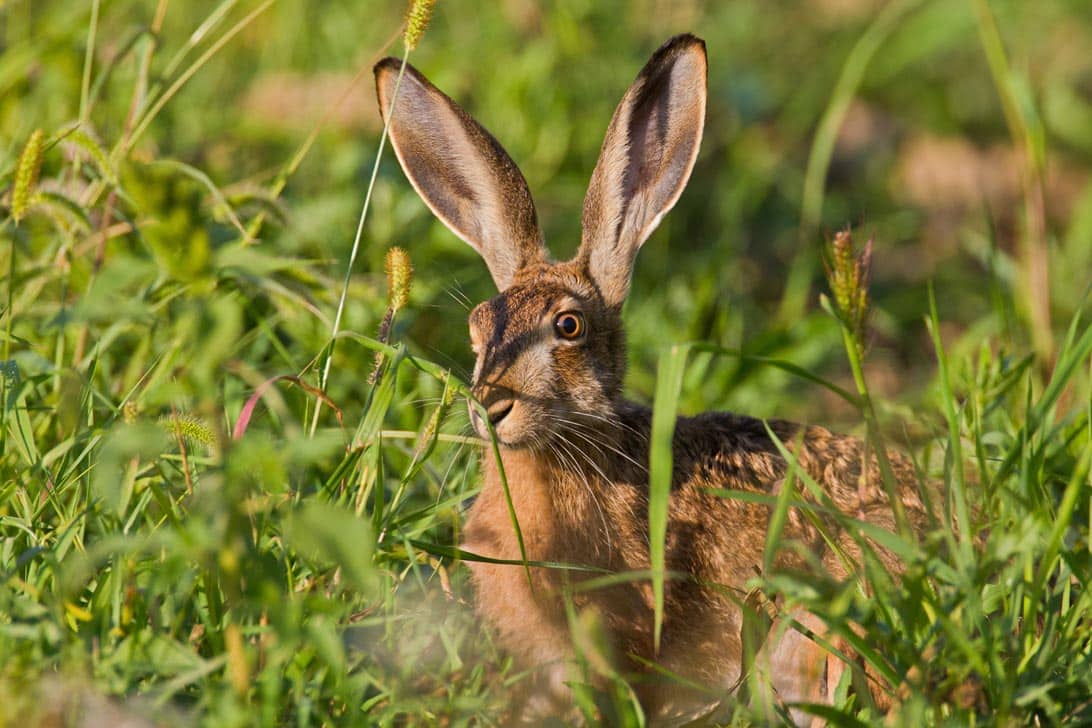
The opening of the 2026 autumn hunting season in Veneto is marked by a serious wildlife and health emergency: the spread of a new variant of myxomatosis (Toledo-MYXV or ha-Myxovirus) , which is severely impacting the wild hare population. The situation required the prompt intervention of the Veneto Region, with specific health and hygiene guidelines, and prompted the Territorial Hunting Areas (ATCs), such as ATC RO 01, to launch a strong ethical appeal to their members to safeguard the species. AB – Agrivenatoria Biodiversitalia has taken stock of the situation, the official guidelines, and how hunters and citizens should behave.
The Toledo-MYXV variant
In an official statement dated September 23, 2026, the Veneto Region's Veterinary Food Safety Prevention Directorate issued urgent operational guidelines. The disease, already reported in the provinces of Padua, Venice, and Rovigo, is being closely monitored to monitor its possible spread to Verona, Vicenza, Treviso, and Belluno. The first key point clarified by the authorities is that the myxomatosis virus is NOT transmitted to humans or to species other than lagomorphs (hares and rabbits). Contact with or consumption of meat from affected animals does not pose a direct risk to human health or hunting dogs. However, as a precaution, consuming meat from infected or potentially infected animals is strongly discouraged.
The Ethics Appeal of ATC RO 01
Faced with an already increasing natural mortality rate due to the virus, the hunting community is faced with a responsible decision. The Steering Committee of ATC RO 01 (Castelnovo Bariano), in a communication dated September 19, 2026, took a clear position, shared by several ATCs in the Veneto region. While confirming that the law allows culling (there was no formal ban imposed by regional authorities at the time of the circular), ATC RO 01 unanimously recommends avoiding the culling of hares. The reasons for this are purely conservative:
- Adding hunting pressure to the mortality caused by the virus could decimate the population.
- Leaving the residual population undisturbed ensures a greater chance of recovery over time
- It is currently impossible to guarantee future repopulations, putting the next hunting seasons at risk.
What to do if you find a dead or suspicious hare
To support the epidemiological surveillance managed by the Istituto Zooprofilattico Sperimentale delle Venezie (IZSVe), the Region has drawn up a precise protocol for the handling and delivery of carcasses.
Here are the basic rules for hunters, game watchers, and citizens:
Never handle carcasses with bare hands: Although the virus doesn't affect humans, to avoid becoming a passive carrier and spreading it into the environment, never handle carcasses with bare hands. Use disposable gloves or place a waterproof plastic bag between the carcasses.
Delivery to the IZSVe: The carcasses found (or the hunted animals with evident lesions such as skin nodules, crusting, eyelid edema) must be placed in a double bag and delivered to the IZSVe offices.
Timing: Deliver within 6 hours if kept in the refrigerator, otherwise freeze for longer times.
Environmental removal: Dead animals found in the environment (if not in an advanced state of decomposition) should be removed or buried on site to eliminate the viral source.
Disinfection: Upon returning from hunting in high-risk areas, thorough hand washing, disinfection of footwear, clothing, carriers, and dog paws are strongly recommended. The most effective disinfectants recommended are hydrogen peroxide (hydrogen peroxide) or sodium hypochlorite (bleach diluted with 0,5% active chlorine).
You May Also Like ..