Key data
According to the German Hunting Association (Deutscher Jagdverband), Germany now has 467.682 licensed hunters, the highest number ever recorded. This represents a 42% increase from 30 years ago. Some key data helps to better understand the phenomenon:
- North Rhine-Westphalia is in first place in absolute terms with almost 100 hunters
- Bavaria follows with 83 thousand and Lower Saxony with 70 thousand.
- In terms of hunters per capita, Mecklenburg-Vorpommern ranks first with 10 hunters per thousand inhabitants.
More women and younger hunters
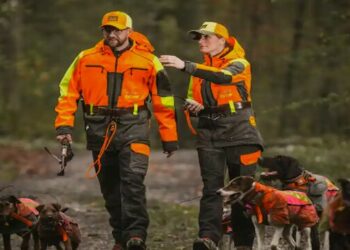
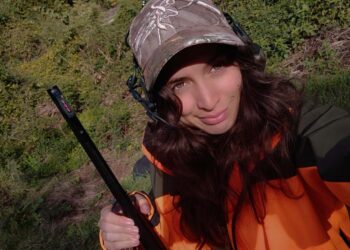
The proportion of women among hunters has risen to 11%, and the average age of hunters has decreased slightly. Furthermore, a greater number of people from urban backgrounds are choosing to become hunters. German hunters spend an average of about 40 hours a month in the field, supporting wildlife monitoring, habitat management, agricultural land protection, wildlife conservation during mowing, and environmental education.
Significant investments
Hunters invest approximately €500 million annually, from their own resources, in habitat conservation and management. The main motivations for becoming a hunter remain:
- close connection with nature
- active conservation at the local level
- sustainable and healthy wild meat
This development demonstrates that modern hunting is increasingly recognized as a social contribution to biodiversity conservation and wildlife management (source: FACE).
You May Also Like ..