Cross-border management
Representatives of the agriculture, alpine farming, and hunting sectors of Carinthia, Slovenia, the Autonomous Province of Bolzano-Alto Adige, the Friuli-Venezia Giulia Region, the Veneto Region, and the Autonomous Province of Trento met in Klagenfurt to sign a Memorandum for coordinated cross-border wolf management in the Alps-Adriatic region. Confagricoltura FVG also participated in the meeting.
The problem: growing populations and increasing conflicts
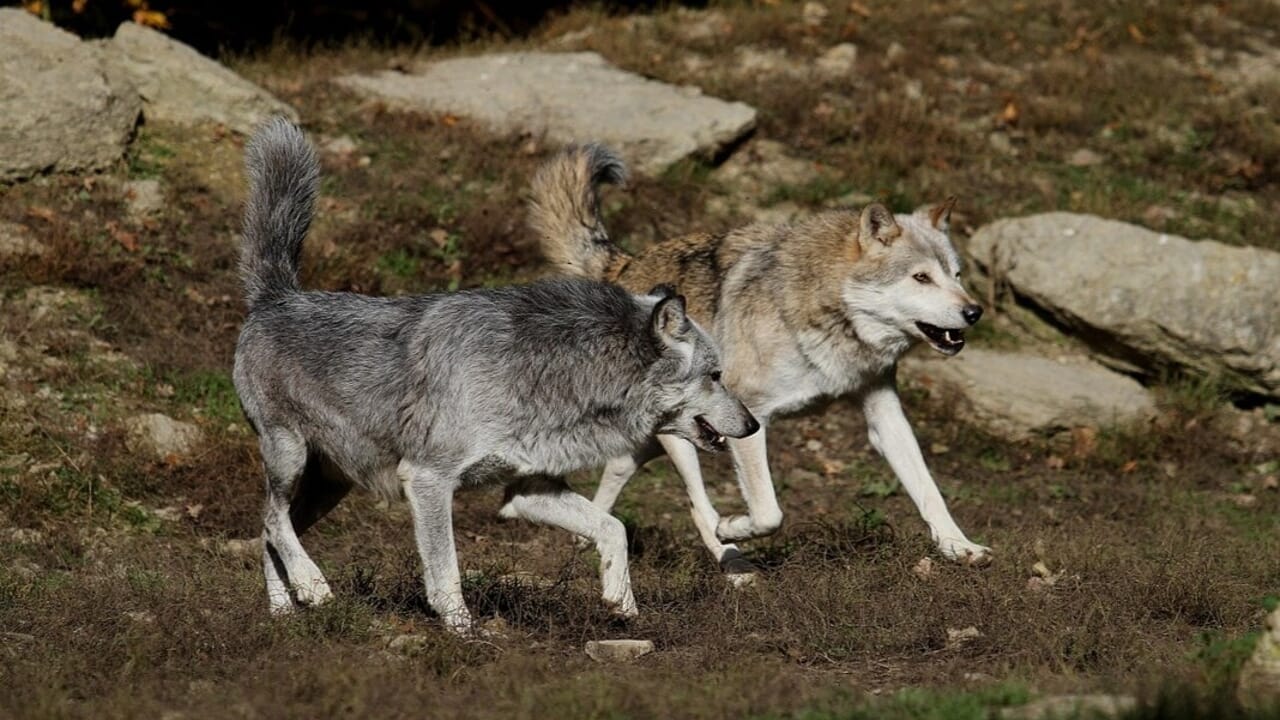
The document emphasizes the importance of alpine farming and mountain agriculture for the management and conservation of the Alpine region, currently threatened by the uncontrolled spread of wolves. Developments recorded so far highlight: uncontrolled wolf population growth, increasingly significant conflicts with mountain farming and the Alpine economy, significant damage caused by predation by domestic animals, a decline in the number of grazing animals on mountain pastures, and differing approaches to wolf management among the countries involved. The starting point of the Memorandum is simple: the wolf, in its movements, recognizes neither administrative nor natural borders. Effective management cannot therefore be addressed in isolation along the borders of each territory, but requires a common approach for the entire Alpine region—made more feasible today by the reduction in the wolf's protection status decided by the European Union in 2025.
The objectives of the Memorandum
The signatories commit to pursuing four shared objectives:
- establish coordinated wolf management in the Alpine region
- to sustainably guarantee the Alpine economy and pastoral activity
- preserve the cultural landscape and biodiversity
- create legal certainty and acceptance of management measures
Effective wolf management, according to the document, includes in particular: the targeted culling of endangered and damaging individuals; cross-border monitoring and data exchange between affected territories; the recognition of the Alpine economy and pastoral activity as fundamental components of the Alpine region; the fullest use of the EU legal framework—particularly the Habitats Directive—in defining measures; and the assessment of the wolf's favorable conservation status not on a country-by-country basis, but across the entire Alpine region.
The agreed cooperation measures
The partners have committed to six concrete goals: developing common management standards and strategies; urging regional authorities to adopt ambitious and coordinated regulatory measures; promoting coordinated and comparable monitoring of the wolf population, with data exchange between authorities; adopting a coordinated approach to European institutions; committing to a favorable conservation status assessment across the entire Alpine region; and maintaining a regular exchange of information and experiences between the signatory territories. The Memorandum provides a framework for intensifying cross-border collaboration and the shared representation of agriculture, Alpine farming, and hunting interests before European institutions (source: Confagricoltura Friuli Venezia Giulia).
You May Also Like ..