A terrible virus
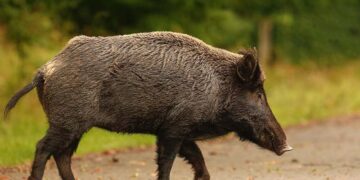
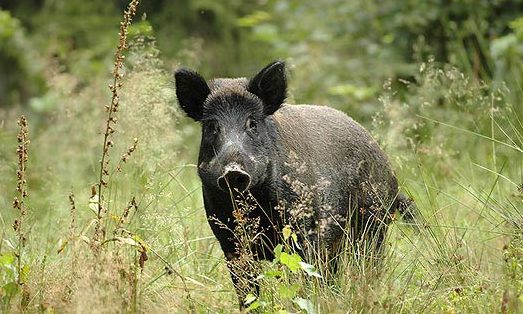
African swine fever alert in seven municipalities in the Garfagnana region . The fearsome virus, which kills both domestic and wild pigs—but fortunately is not transmissible to humans—is knocking on the door of the province of Lucca, passing through the woods bordering Emilia-Romagna. It is carried by wild boars, the focus of daily protests by farmers. Their population has grown dramatically in recent years, posing a daily threat to crops and road safety, with numerous accidents, including fatalities. "Wildlife is a serious emergency that has always caused damage to our crops; now the situation has worsened further with the risk of African swine fever, which threatens to bring the pig sector to its knees, as contagion also occurs through indirect contact and affects the regular use of trails and woods, an important resource for farming and tourism. Timing is crucial," warns Andrea Elmi, president of Coldiretti Lucca.
Meeting with agricultural companies
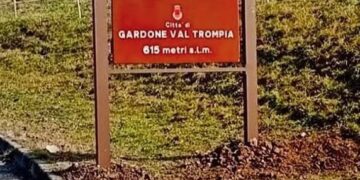
Coldiretti, which is already addressing the same threat in the upper Lunigiana region, where it is on the front lines and has played a key role in accelerating the implementation of prevention, control, and surveillance measures, recently met with farms in the seven municipalities placed in ASF restriction zone 1 since September. These areas have no confirmed cases of swine fever, but border areas where one or more cases have been confirmed. The seven municipalities on the Type 1 "red list" are Minucciano, Sillano Giuncugnano, Piazza al Serchio, Castiglione Garfagnana, Vagli, Villa Collemandina, and San Romano. "The experience of Lunigiana can and must be useful in addressing this issue here in Garfagnana. The goal," the president of Coldiretti emphasized, "is to prevent the spread of swine fever in the area, thus avoiding devastating consequences for agricultural activities and the entire tourism industry. But to achieve this, the active collaboration of all stakeholders is essential, right from the start: the Tuscany Region, the local health authority, the provincial police, the territorial hunting authority, and local government authorities."
The infected people registered
Tuscany was included in the list of infected regions in July 2024 after the disease was detected in wild boar carcasses in the municipality of Zeri. To date, 82 infected animals have been recorded. "In this initial phase," Elmi continues, "it is important to quickly set up collection centers to house and rapidly test the culled or dead wild boars to verify the presence of the virus. We need to act quickly, as we must prevent wild boars from damaging our crops. Farmers are ready to do their part, including by installing capture cages on their farms: a containment tool that has proven effective and functional in Lunigiana."
You May Also Like ..
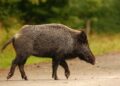


Source from reddito
Among the actions envisaged in the containment and eradication plan is the reduction—or depopulation—of wild fauna. This measure has been loudly requested by farmers, who for years have been denouncing the population explosion of wild boars and deer that devastate their fields and devour their crops, depriving them of their main source of income. This has prompted Coldiretti to establish a team of volunteer game wardens to accelerate culling in the most critical areas and to ask the Tuscany Region to intervene in the wildlife hunting plan. This latter action led to the adoption of the new wildlife management tool on July 29th, which affirms a crucial principle: wherever agricultural activity occurs, there cannot be areas compatible with the presence of wild fauna, the so-called suitable areas. "We believe this is a great achievement, and there will still be time to submit further comments before final approval," concludes Coldiretti Lucca president Elmi. "It's a significant step forward that puts the farm back at the center." (Source: Coldiretti)