Plans at a standstill
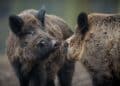
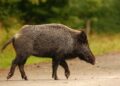
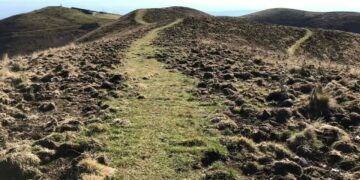
Wild boars continue to invade the fields of Alta Murgia , devastating crops and putting pressure on farms that have been calling for effective interventions for years. Meanwhile, the Management and Containment Plans for the Gargano and Alta Murgia National Parks are still reeling from administrative procedures and compliance, while the Puglia Region has already spent €2,4 million in just one year to compensate for damage caused by wild fauna, including damage caused by road accidents. Coldiretti Puglia has denounced this, once again calling for urgent action to combat wild boar overpopulation and ensure the implementation of measures in the two national parks. The paradox is evident, considering that while the plans are being worked on in the offices, wild boars continue to roam the countryside and invade farms. In Alta Murgia, the 2026-2030 Wild Boar Management Plan was approved at the end of July, but was still awaiting ISPRA's opinion. In the Gargano National Park, however, the Plan had not yet been drawn up, and meanwhile the emergency is not being paused while yet another bureaucratic step is completed.
Incompatible speeds
Coldiretti Puglia is calling for a change of pace, as it is no longer acceptable for farmers to continue defending their land while the public response proceeds at a pace incompatible with the emergency. The Region has adopted its own containment plan, but the national parks must quickly implement the planned tools, with clear responsibilities, verifiable timelines, and measurable results. For Pietro Piccioni, director of Coldiretti Puglia, "We cannot continue to talk about an emergency if the emergency remains in the fields. In the Alta Murgia, wild boar incursions continue, and this means the problem is far from solved. Farmers cannot wait for the bureaucratic process to coincide, sooner or later, with that of wild fauna. Concrete and coordinated interventions are needed, because every delay translates into further damage to crops, new risks, and new public resources for compensation."
Last year's data
In 2025, 2.765 wild boars were slaughtered in Puglia, 1.008 through selective control and 1.750 through hunting. From October 1st to January 31st, the wild boar hunting season will be open outside protected areas. Collective hunting with the help of dogs will also be introduced, with the aim of making interventions more effective and further reducing the population. A game processing center already exists in the Alta Murgia region, where slaughtering began in January 2026. However, after about twenty animals, the process was halted due to the lack of commercialization of the meat. The product leaving the center is certified by the Veterinary Department of Bari, and a supply chain plan has been developed that could become a pilot project, with an estimated capacity of approximately 800 animals per year.
The supply chain as a management tool
Coldiretti Puglia considers the prospect of establishing a short supply chain for Apulian wild boar meat and, ultimately, of developing a Cinghiale di Puglia brand, to be a positive one. However, the supply chain can be a management tool, not an excuse to delay containment. Promoting the meat means creating a clearly defined process, subject to veterinary controls, and ensuring food safety. But even more important is reducing a population that continues to exert unsustainable pressure on agriculture and the surrounding territory. Coldiretti Puglia therefore calls on the Region to assume a strong coordinating role and promote a special regional plan for wild boar containment, networking the Region, National Parks, and all relevant bodies, with quantitative targets, clear timelines, and periodic assessments of the effectiveness of interventions (source: Coldiretti Puglia).
You May Also Like ..