Emergency situations
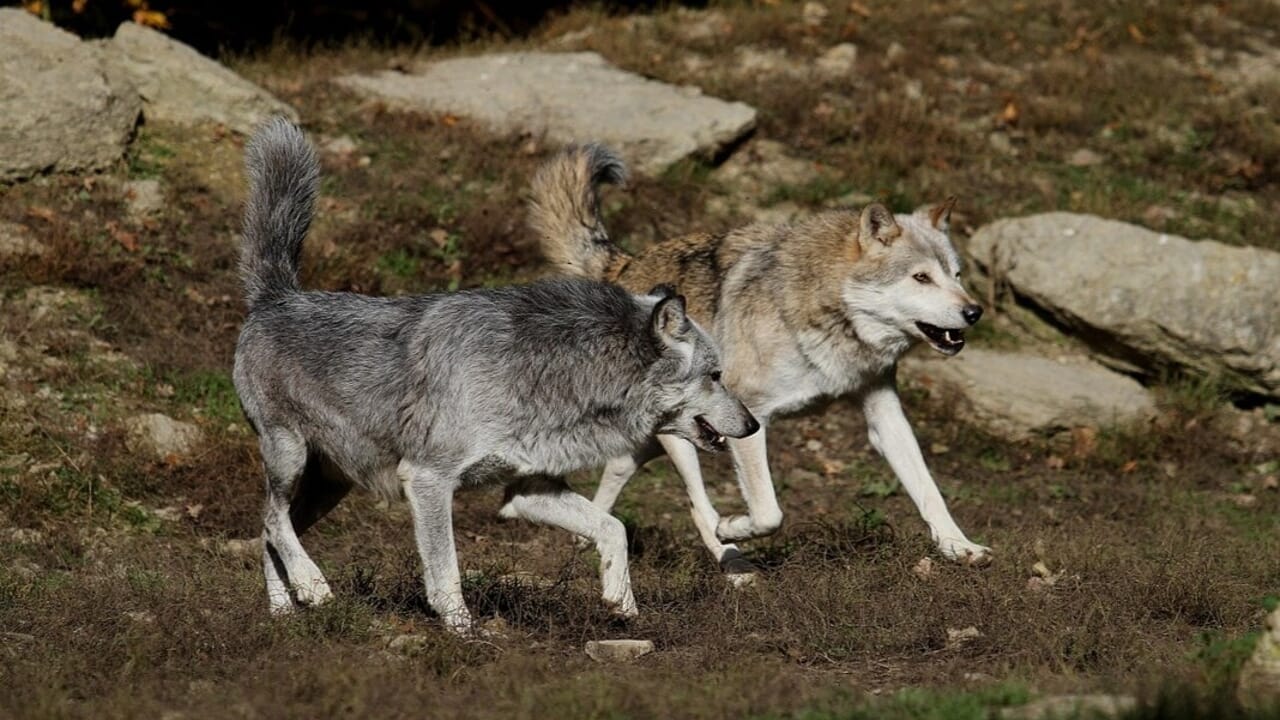
A shared operational protocol for a coordinated approach to emergency situations related to the presence of confident wolves in residential areas of the Marca region . This was signed today during the meeting of the Conference of Mayors by representatives of the Prefecture, Municipalities, the Province of Treviso, the Provincial Police, the Carabinieri Forestry Corps, and the Local Health Authority (ULSS 2). The document concerns the management of emergencies related to the presence of confident wolves in the province of Treviso. The protocol was presented by Dr. Eliana Schiavon, Director of the Animal Health Service of the Local Health Authority (ULSS 2), and is the result of a process initiated following the incidents that occurred in the summer of 2024.
The reports received
Between April 30 and September 14 two years ago, the Provincial Police received 146 reports of wolf sightings from citizens, concentrated primarily along the Piave River, between Ponte di Piave, Maserada sul Piave, San Biagio di Callalta, and Spresiano. During those months, a young wolf, lacking the natural distrust of humans—hence the term "confident wolf"—was repeatedly observed in broad daylight in homes, parking lots, and public areas, even near pets, arousing understandable concern among the population. That experience sparked the need to provide the region with a shared tool to address similar situations, also drawing on the guidelines developed by ISPRA at the end of 2024. The Protocol for the management of emergencies related to the presence of confident wolves in the province of Treviso defines the roles, responsibilities, and operating procedures of all the entities involved, which have signed the document today.
The heart of the protocol
At the heart of the protocol is the establishment of a Permanent Technical Committee, coordinated by the President of the Conference of Mayors, which will be convened whenever repeated and concentrated reports indicate a potentially critical situation. Following the risk assessment, entrusted to the Region based on the Provincial Police's investigation, the Committee will coordinate the actions of the various agencies, define the public communication strategy, and may recommend to mayors the adoption of any emergency ordinances. The protocol also standardizes the methods for collecting and managing reports, identifies shared procedures for disseminating accurate information to citizens, and governs the coordination of institutional and media communications during emergency situations.
In addition to operational aspects, the document places particular emphasis on prevention. Information and awareness campaigns are planned for citizens, schools, breeders, and farmers, with the aim of promoting appropriate behavior, reducing situations that may encourage wolves to approach residential areas, and promoting the coexistence of human activities and wildlife, in full compliance with national and international regulations protecting the species. The protocol will last three years and represents the result of extensive interinstitutional work involving administrations and agencies with diverse yet complementary expertise. It provides the entire Marca region with a shared tool for promptly, uniformly, and transparently addressing a phenomenon that is set to increasingly affect the region (source: AULSS 2 Veneto).
You May Also Like ..