Positions taken
The recent protests against the start of the hunting season are a stark reminder of what Federcaccia Toscana-UCT denounced well in advance during the mobilization for the new Regional Wildlife Hunting Plan . Seventeen environmental and animal rights groups have asked the Tuscany Region to postpone the general opening of the hunting season until October 1st and cancel the pre-opening days scheduled for September 2nd and 6th. This request has also been echoed by the Five Star Movement and AVS in Tuscany, along with further requests for action on the selective culling of roe deer. These initiatives are complemented by similar positions from political figures and animal rights activists at the national level. Climatic and environmental conditions must certainly be monitored and assessed using technical and scientific tools and appropriate management decisions.
General suspensions
It's another matter entirely to turn them into yet another opportunity to call for widespread hunting suspensions. This is precisely the political point Federcaccia Toscana-UCT made during the discussions on the PFVR. From the outset, we emphasized that the new Plan was not an isolated incident, but the first step in a more profound cultural shift, marked by the progressive downsizing of the role of the hunter. Within weeks of its approval, we are already seeing requests to postpone the opening of the hunting season, cancel the pre-opening, and question other forms of hunting. The facts are therefore beginning to speak clearly enough. And this trend doesn't just concern hunters.
Greater guarantees
The regional agricultural community should also reflect, having welcomed the new PFVR, believing it had achieved greater guarantees regarding the presence of wild fauna in productive areas. To applaud this result too quickly perhaps failed to fully grasp the scope of the cultural shift underway. Because if hunting is being questioned today, tomorrow the tools through which thousands of hunters contribute to controlling wild populations, preventing damage, and managing ungulates could also be challenged. It is not possible to demand less hunting, less management, and a reduced presence of hunters on the territory while simultaneously demanding increasingly effective responses to agricultural damage, health emergencies, and imbalances in wild populations. The risk is that Tuscany, for decades a national benchmark in wildlife and hunting management, will embark on a path where hunting is progressively marginalized, to the point of being considered an activity to be tolerated and restricted rather than a fully integrated component of the management and conservation of wildlife and environmental heritage.
A model to be reaffirmed
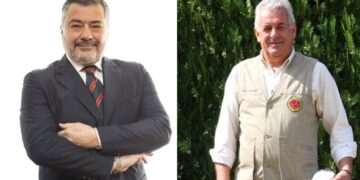
"The issue isn't defending hunting based on affiliation," said Marco Salvadori, regional president of Federcaccia Toscana-UCT. "The issue is reaffirming a model in which farmers, hunters, technicians, and institutions once again take the lead in the practical management of the land. If this balance is disrupted by pursuing ideological and abolitionist approaches, the price won't just fall on hunters: it will fall on agriculture and the entire community." This is also why the regional meeting on September 16th at the Parco delle Sughere in Donoratico will not simply be a continuation of the battle waged over the PFVR. The goal is to place the value of hunting and hunter-led management at the center of regional political debate, addressing both the majority and opposition forces. The initiative should therefore represent the beginning of a cultural revival: bringing hunting and agriculture back to the center of Tuscany's wildlife and environmental management, reaffirming the value of local knowledge, responsibility, volunteerism, and scientifically based wildlife management (Federcaccia Toscana-UCT Press Office).
You May Also Like ..