Impossible postponements
For Umbrian agricultural businesses, the wild boar emergency does not allow for further delays. Damage to crops, rising business costs, and growing difficulties in managing agricultural operations require, according to Confagricoltura Umbria, a rapid transition from discussion to implementation of the reform of the regional regulation on wild boar hunting. "Postponing it for another year would mean maintaining a system that has already shown clear weaknesses," states Confagricoltura Umbria President Matteo Pennacchi. "If the current model had ensured effective control of the species and a significant reduction in damage to agricultural production, we would not be discussing its revision today. No reform can be judged before its implementation: it is necessary to test it, assess its effects during the hunting season, and intervene promptly where any problems arise."
Amendment to the regulation
According to the confederation, the proposed regulation amendment represents the culmination of extensive discussions between institutions, the agricultural community, and hunting representatives. Therefore, the priority now is to approve it and support it with a continuous and transparent monitoring system. This includes periodically assessing culling trends, the evolution of crop damage, the species' presence in the area, and the effectiveness of various management methods, so as to allow for any necessary corrections during the season. "An effective reform must be a dynamic tool, capable of adapting based on data collected in the field," Pennacchi emphasizes.
Hunting in turn
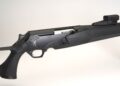
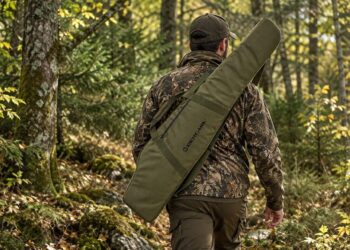
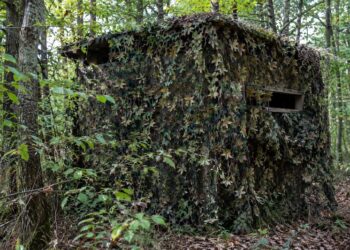
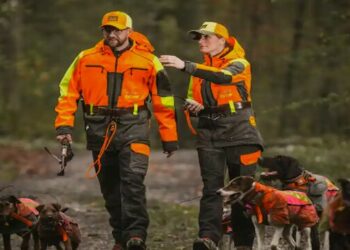
Confagricoltura Umbria also welcomes the promotion of hunting by hunting, as provided for by the new regulations. The association believes this is an important operational tool, especially in areas where other methods of culling are less effective or difficult to implement. Its use is even more important in areas affected by measures to contain African Swine Fever.
Comparison between multiple parties
For the agricultural organization, dialogue between farmers, hunters, technicians, and institutions remains essential, but it must translate into concrete results. "It's not about defending a particular form of hunting or the interests of a particular category," Pennacchi concludes. "The goal is to build the most effective system possible to contain the wild boar population and reduce damage to agricultural businesses. Agriculture requires decisions, timely monitoring, and the ability to intervene quickly: it is on these results that management policies for the species must be measured." (Source: Confagricoltura)
You May Also Like ..