Nature to be protected
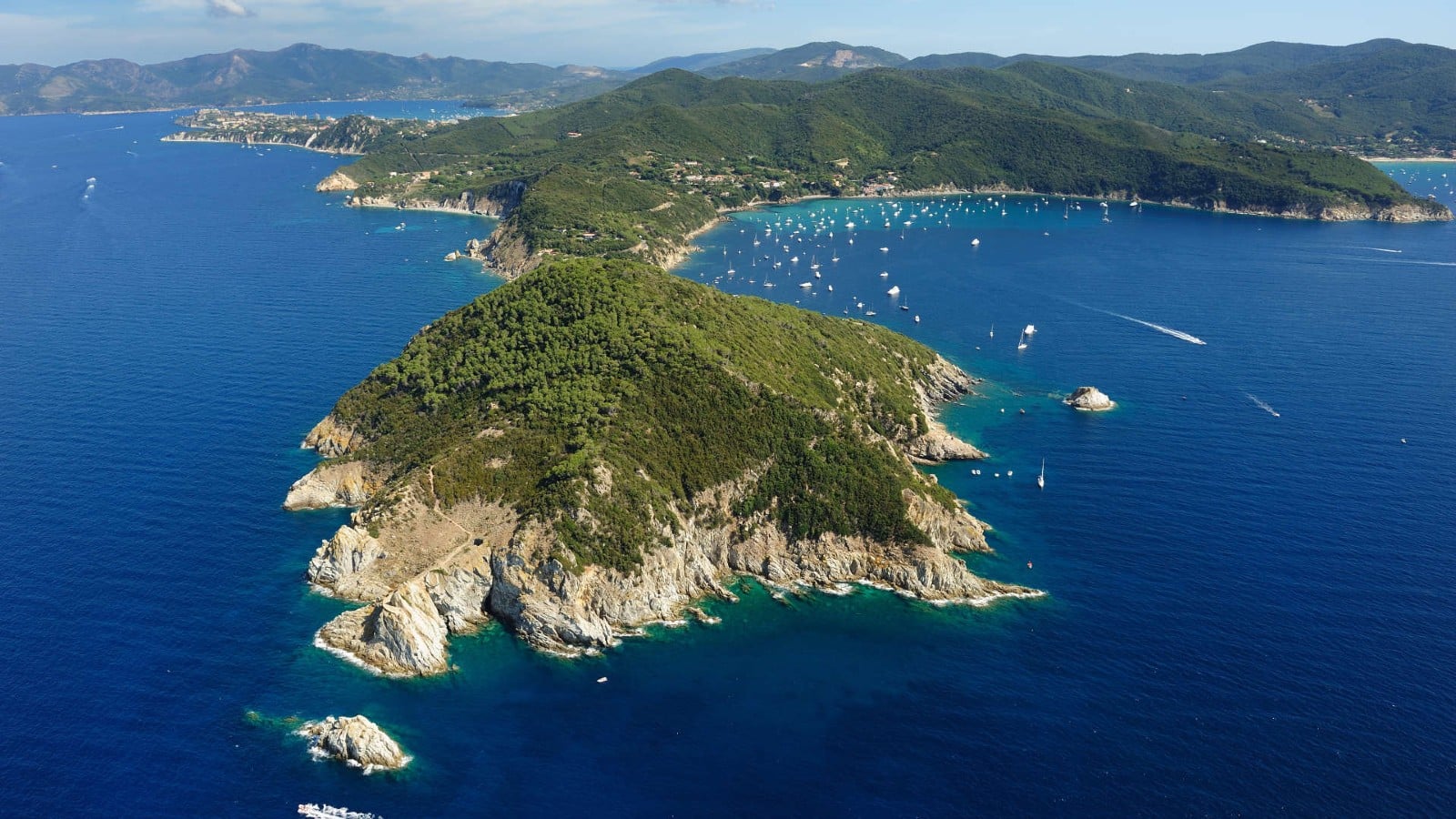
A wild boar struck by a roadside, and a bouquet of three red roses lying next to the carcass. A surrealist tribute that captures in a single image the cultural and ecological short circuit of the Island of Elba . On one side, those who see the ungulate as a symbol of nature to be protected without fail; on the other, those who suffer its devastating daily consequences for agriculture, biodiversity, and road safety. It is within this paradoxical scenario that the appointment of Paolo Cassola as Special Commissioner for the ungulate emergency on the Island of Elba fits. A figure of proven competence who represents the best possible guarantee for a territory now exhausted. However, faced with yet another extraordinary intervention, a question arises spontaneously: do they truly want to achieve the goal of containment and eradication, or will they continue to use bureaucracy to stall?
Decades of alarms: the unheard cry of the land
The current situation wasn't born yesterday. For decades, trade associations, farmers, tourism operators, local administrators, and citizens have been launching desperate appeals. Every season brings the same war bulletin: devastated fields, destroyed dry stone walls, road accidents, and compromised native biodiversity. Faced with this dramatic situation, the response over the years has been an endless stream of promises, technical discussions, and sensational announcements, never followed by concrete action. Meanwhile, the ungulate population continued to multiply unchecked. If in over twenty years of complaints, no plan has ever been implemented, there are only two possible responses:
Chronic managerial inability to translate words into rules and operational interventions.
The convenience of the status quo, where maintaining a perpetual emergency allows us to avoid displeasing anyone—balancing pressure from the hunting world with protests from animal rights extremists—and to continually postpone accountability.
Assigning a position to a competent technician is an important signal, but it risks becoming yet another institutional smokescreen if politicians fail to provide the Commissioner with real operational tools, immediate resources, and full decision-making support.
Rethinking wildlife management on Elba
All the conditions for success are in place, and the determination of local associations remains high. What's missing, and what we'd like to see immediately, is the courage to step outside the bureaucratic comfort zone and implement drastic, transparent solutions free from ideological bias. Those three red roses left on the asphalt next to the wild boar, unfortunately, are a cause for reflection in a world that sometimes allows itself to be overwhelmed by ideologies and loses sight of its objectives (source: AB – Agrivenatoria Biodiversitalia).
You May Also Like ..