Suggestive passages
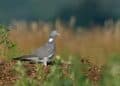
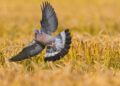
Wood pigeon migration is entering a particularly interesting phase. From Scandinavia to Italy, observations confirm significant movements. In Falsterbo, Sweden, approximately 9.900 wood pigeons have been counted, while significant reports have also come from the Baltic countries. However, it is Italy that has produced the most significant observations. On Wednesday, October 7, according to data reported by Palombe.it, approximately 8.100 wood pigeons were counted: nearly 5.200 in the central Apennines and approximately 2.900 in the northern Apennines. The passage through the Po Delta area is particularly striking, with wood pigeons arriving in continuous flows from the Adriatic Sea.
Eastern regions
Even in France, before the rain arrived, significant movements were recorded in eastern regions, with large flocks concentrated especially in the early morning hours. Rain, fog, and westerly winds, however, slowed the passage of wood pigeons to the Atlantic regions. Now, what to expect? The weather conditions over the next few days will be crucial. The easing of instability and the shift of winds to the northeast are fueling expectations for the weekend, when new migratory movements could occur. Wood pigeons, however, don't follow a calendar: wind, rain, and visibility can rapidly alter their route and the manner of their passage.
Nature has its own times
The season is still very much alive. Observers are looking to the sky, waiting for new wings on the horizon. Migration continues: nature has its own pace, and every day can bring surprises. The arrival of cold air from the Balkans also brings a clear message to the animal world. For many migratory bird species, the drop in temperatures and northerly currents are the ideal signal to set off: the winds at their backs help them conserve energy, while the cold pushes even the last stragglers to move south. In the coming days, with this change in weather, it will be much easier to spot new arrivals and flocks transiting our countryside and along the coasts. So let's be especially vigilant for thrushes and pigeons (UCIM FIDC).
You May Also Like ..