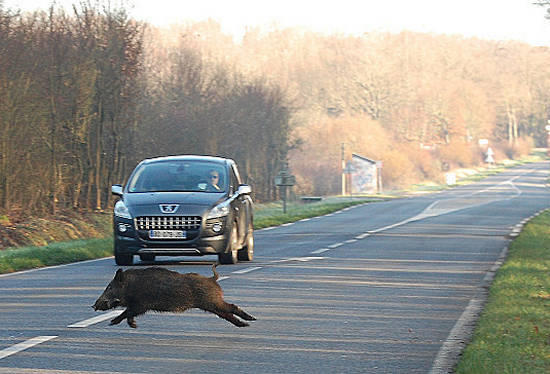
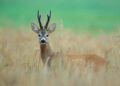
Accidents caused by the sudden crossing of wild boars, roe deer, or other wild animals raise a complex issue of liability. Generally speaking, wild fauna is the State's inalienable property, and its management is entrusted to Regions, Provinces, and Metropolitan Cities through wildlife and hunting plans. Case law oscillates between liability for tort, which requires proof of the entity's negligence (for example, failure to report the risk or failure to implement containment plans), and liability for animal custody, which presupposes effective control.
Specifically, the injured party must document circumstances that demonstrate organizational or maintenance deficiencies: missing signs in areas known to be affected by crossings, inadequate fencing, or failure to promptly address previous warnings. The road owner may be held liable for failure to properly maintain or post warning signs; the Region or its delegated agency may be held liable for failure to manage wildlife in that area or for ineffectively managing it.
Really useful insurance coverage
Mandatory car liability insurance covers damage caused to third parties, but not always damage to the driver's vehicle in the event of a collision with a wild animal. In these cases, it's helpful to check for optional coverage: "animal collision" or collision extensions (often included in mini-comprehensive or comprehensive insurance), in addition to any driver injury coverage. Some policies include animal accidents among "natural events," but it's essential to carefully review exclusions, deductibles, and maximum limits. In the absence of specific coverage, recovery for material and biological damage can only be achieved by taking action against the responsible entity, according to the principles of civil liability and outside of direct compensation mechanisms between insurance companies.
Road maintenance and duties of local authorities
The entity owning or managing the road (municipality, province, metropolitan city, ANAS, or motorway concessionaire) must maintain the roadway in predictable safety conditions, install adequate warning signs, and implement reasonable measures in at-risk sections. Fencing, bollards, cutting vegetation that reduces visibility, and lighting at critical points are technical decisions that, if seriously neglected, may give rise to liability. Likewise, wildlife management entities must plan and implement prevention, population monitoring, and containment measures where required, coordinating with provincial police and law enforcement agencies.
How to report and request compensation
After an accident, safety is your priority: stop in a safe place, report the emergency, and call 112, requesting the intervention of law enforcement or the provincial police to issue a report and possibly recover the animal. Documentation is crucial: photographs of the scene and damage, GPS location, condition of signs and fencing, witness statements, travel times and direction.
It's advisable to notify your insurance company immediately for policy compliance and, at the same time, submit an out-of-court compensation request to the entity deemed responsible, including a detailed description, a copy of the report, medical certificates, estimates, and expert reports. In the event of a dispute, a medical-legal consultation and a technical reconstruction of the incident will help bridge the evidentiary gap. The statute of limitations for compensation claims is generally five years, but it's prudent to act quickly to preserve evidence and facilitate an amicable settlement. Evaluating your strategy, local expertise, and evidentiary requirements with a specialized law firm reduces the risk of rejection.
Prevention and correct driving behavior
Prevention remains the most effective weapon. During twilight hours, when animal movements are more frequent, speed should be adjusted to visibility and the route, especially in wooded or agricultural areas. Carefully reading warning signs requires increasing the safety distance and preparing to brake sharply on straight roads, avoiding sudden swerves that could cause vehicle departures or head-on collisions.
The use of high beams should be used sparingly to avoid blinding the animal or other drivers. If wildlife is spotted on the roadside, it's helpful to gradually reduce speed, as animals often travel in packs. After a collision, it's crucial to stay away from the injured animal, which can react unpredictably, and to wait for help in a safe place, equipped with a reflective vest and warning triangle. The combination of prudent driving, well-maintained infrastructure, and efficient wildlife management significantly reduces the risk and, when the event is unavoidable, allows for proper attribution of responsibility and prompt and appropriate compensation.
You May Also Like ..