A system to be modernized
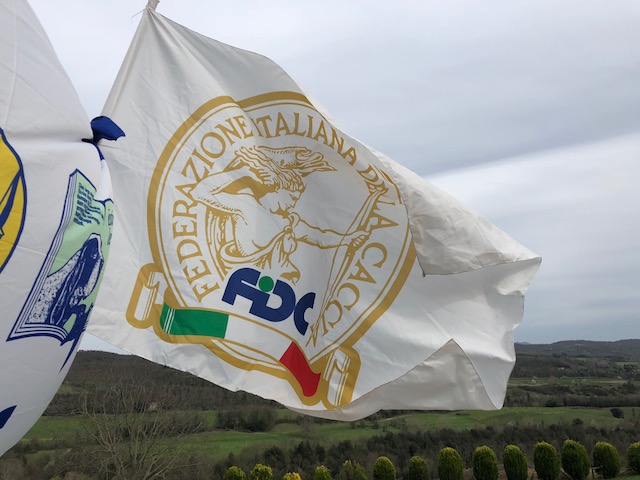
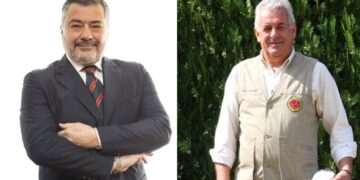
"The time has come to clearly raise an issue that can no longer be ignored: in Umbria, every attempt to reform and modernize the hunting system systematically risks being blocked before it can even be truly tested and evaluated." These are the words of Maurizio Lorenzini, president of Federcaccia Umbra , commenting on the events following the latest regional wildlife and hunting consultation, which, Lorenzini explains, "unfortunately represents a concrete example of this situation. Changes to the wild boar hunting regulations have been discussed again, despite the fact that the process has been underway for some time, following a lengthy process of discussion involving all hunting and farming associations, without exception."
Too many second thoughts
A process during which everyone had the opportunity to discuss, make observations, and take a stand. Yet, when it came time to implement what was discussed, we once again witnessed second thoughts and setbacks. To date, Federcaccia and CPA (Hunting, Fishing, Environment) are the only associations to have correctly maintained the positions they adopted throughout the process. And this is precisely the point: there are institutional bodies dedicated to discussion, starting with the Regional Wildlife and Hunting Council, where the associations are required to take responsibility for their positions. It is unacceptable to agree with or support certain approaches at official meetings and then, when the time comes to make decisions, block everything or continually question what was previously agreed upon. Doing so does not protect hunting. It only fosters inaction.
Interlocution path
"This is happening despite the willingness to engage and embrace change demonstrated by Regional Councilor Simona Meloni," Lorenzini continues, "who deserves credit for having initiated a dialogue with the hunting community on various issues that have long been in need of revision. Federcaccia doesn't claim to have a magic wand, nor does it claim that every reform proposal is necessarily the right one. Reforms can be improved, adjusted, and, if they don't work, even revised. But to evaluate them, we must first have the courage to implement them. The landscape, wildlife management, hunters' needs, and the issues related to ungulates and damage to agriculture have all changed profoundly. We can't continue to reason with thirty-year-old models."
The courage to experiment
Lorenzini emphasizes that "hunting associations must return to focusing primarily on the future of hunting and hunters, rather than viewing every change through the lens of membership competition. Federcaccia Umbra will continue to advance its proposals without claiming they are untouchable, but rather demanding that they be discussed on their merits and that, when the conditions are right, there is finally the courage to test them. What we are no longer willing to accept is that every attempt at innovation be paralyzed by fear of change or by purely associative logic." She adds that "just as regional politics must be able to make its decisions after listening to everyone, taking responsibility for its choices and subsequently verifying the results, we also ask hunting associations to have the same responsibility and, above all, seriousness and consistency in their institutional settings."
Official Journal Act
"We therefore await the institutional process we have begun to conclude with the official publication of the act in the Official Gazette," Lorenzini concludes, "in accordance with the decisions of the regional administration, to which each association has already expressed its observations. Federcaccia will naturally continue to defend its Association and its members, in the higher interest that comes before any acronym: the protection and future of hunting in Umbria." (Source: Federcaccia Umbra)
You May Also Like ..