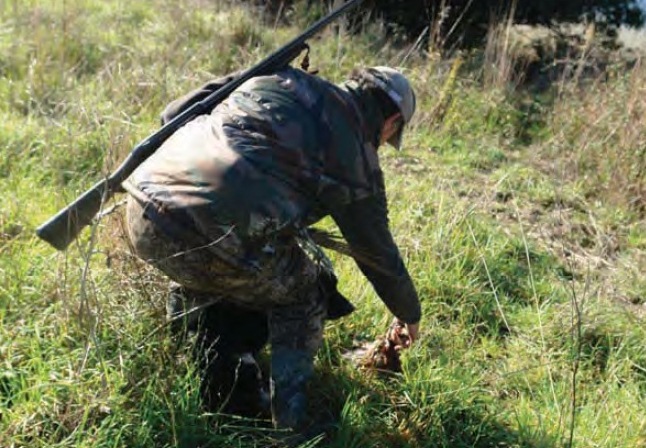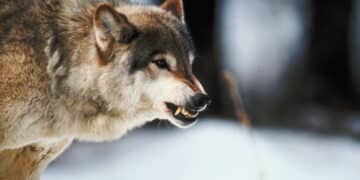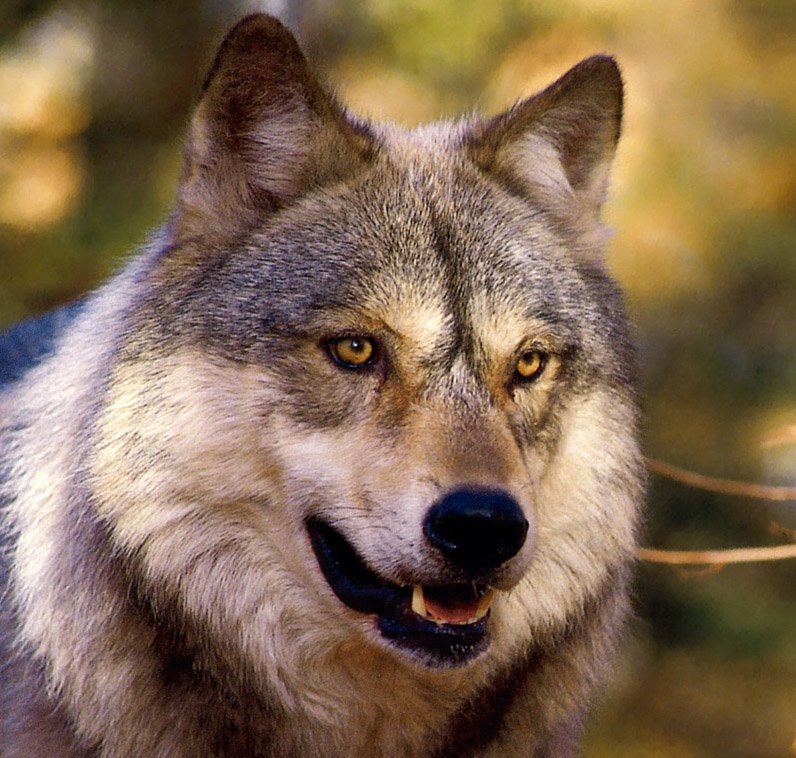
The resumption came after an eight-year suspension, as in 2007 the European Commission found a violation of EU animal welfare regulations. In the last two years, however, wolves have nearly doubled ( from 120 to 250 to be precise ). Consequently, it has been understood that selective culling is capable of reducing the number of wild animals, but also that wolves are a highly prolific species, capable of reproducing rapidly.
Tensions were high in 2013, when a group of people living in the rural municipality of Perho decided to take action, killing three wolves. Trials were held in that case, and twelve men were found guilty. Many Finnish citizens, moreover, harbor a genuine fear of wolves , especially since tales dating back to the 19th century are widespread, telling of these animals ready to eat children alive. In the Perho area alone, there are thought to be between 10 and 20 active animals , but environmentalists remain convinced that hunting could compromise the genetic diversity of wolves.
The authorities have, however, set certain conditions that hunters must respect. Specifically, the wolves to be killed are the youngest , to prevent the dispersal of packs, which are ready to follow their leaders. Despite the warnings, however, in 2015, wolves wearing collars were also hunted, which were used by researchers for their studies. Hunting will not be permitted in several areas of the north of the country, where wildlife is most aggressive : in these zones, killing is only permitted in the event of an attack on humans, and special permits are required.
You May Also Like ..