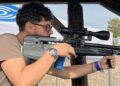
Currently, 13 people in the province of Bergamo have a firearm license. Hunting rifles (in which case we call them a license), sporting pistols—many, and personal defense—few. Then there's the rest, in addition. These are people who own a gun for a wide variety of reasons, such as inherited or with an expired gun license. They must report it to the Carabinieri responsible for their place of residence (for the city, at the police station), attaching a medical certificate. Carrying and possession are two different things, but the result is the same: a gun in the home. If the picture shows 13 gun licenses, the number is destined to increase.
Every year, 2.500 requests arrive, both new and renewals: the police headquarters issues 500-600 new ones for sporting use, while 200 are rejected or revoked . Requests for sporting use predominate, while the number of new hunters is decreasing, with only 20-30 requests. Having a gun permit does not mean you can carry a weapon around; it is only permitted for personal defense (issued by the prefecture, otherwise by the police headquarters), and is reserved for around 100 people exposed for work or for documented incidents. For sporting use, the gun can be carried outside the home, unloaded and in its case, only for the trip home to the range and back.
The same goes for guns: home and hunting area. To obtain a gun license (even for possession only), you need a medical certificate from your primary care physician , which must be submitted to the ATS (Healthcare Authority) or to a military doctor at a driving school. This is valid for three months, during which time you must go to the shooting range to obtain a license, which is then presented to the police station. The firearms office then conducts the investigation, examining not only any previous police reports or records, but also gathering local information to determine whether the person is trustworthy. Hunters also require a hunting license, after a course at the provincial level.
Since 2018, gun licenses must be renewed every five years, not six (requiring a medical certificate and an investigation). Article 39 of the Consolidated Law on Public Safety states that "in cases of emergency, public safety officers and agents shall immediately confiscate" the weapon as a precautionary measure. This could be in the event of threats or a fight, for example. The confiscation is communicated to the police headquarters or prefecture, which, after evaluating each case , will decide whether to revoke the gun license. Even if it's merely an act of extreme caution, the rifle or pistol is safely stored ( Corriere di Bergamo ).
You May Also Like ..