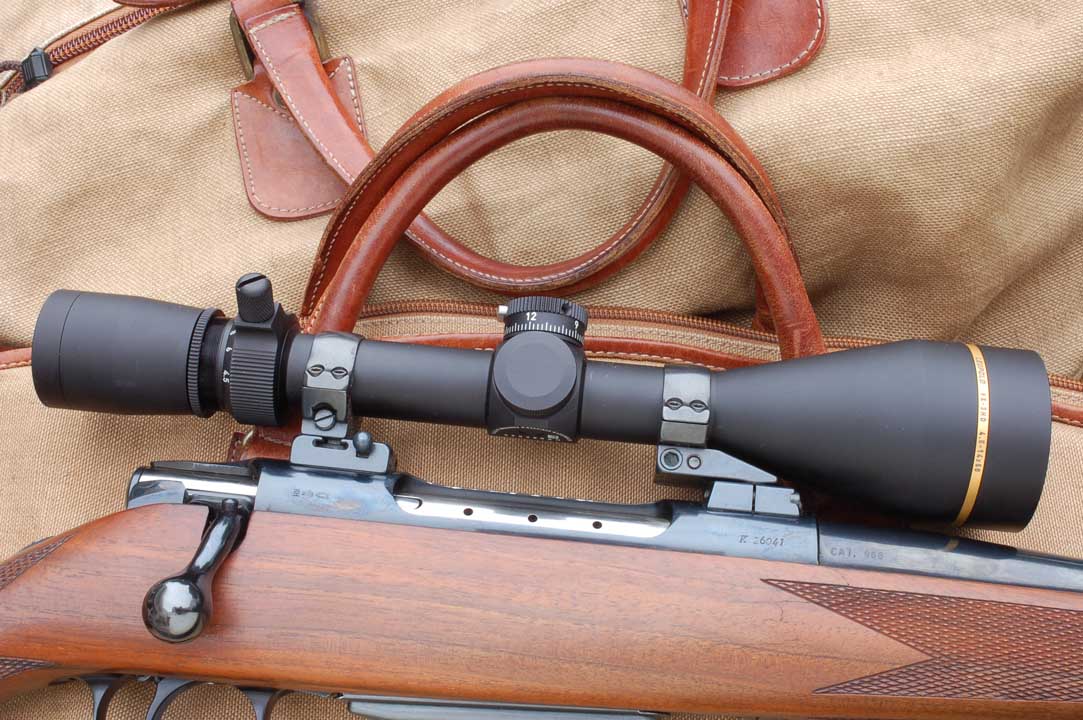
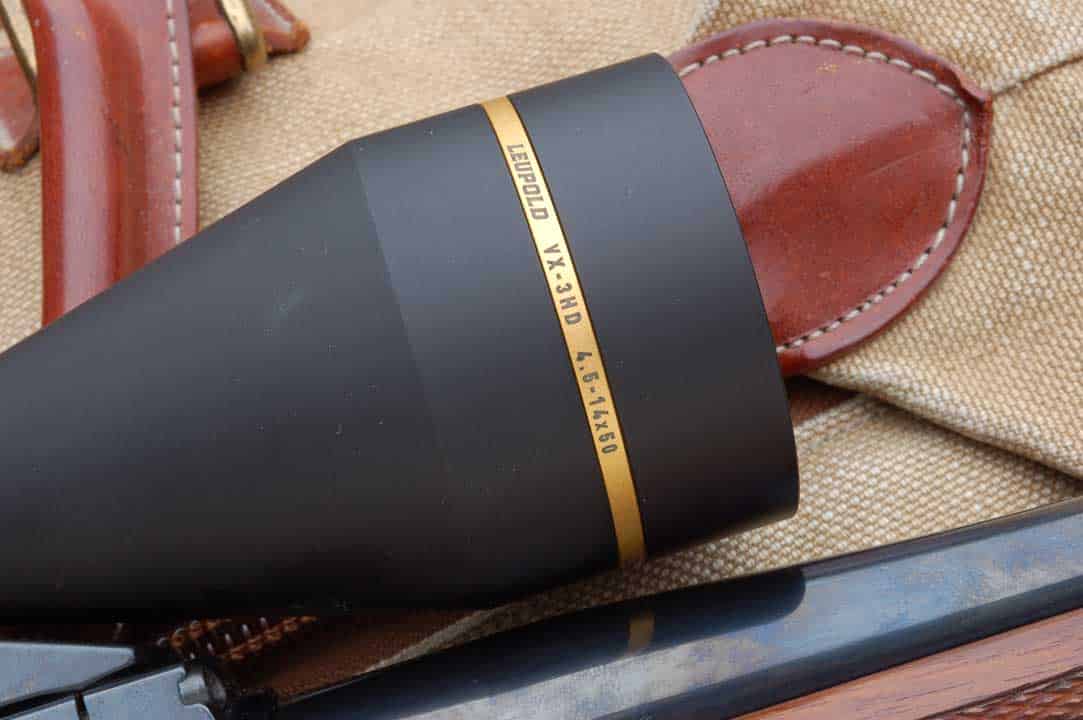
The theory of "where there's more, there's less" appears to be steadily drifting away from current reality, and while it once accurately interpreted a certain mentality, today we realize this isn't the case. Often, what happens in the United States quickly reverberates here, and precisely this discrepancy between proverb and action comes to the fore. The average American, the one chosen as a prototype by the sales sectors of commerce and industry, is far from the concept of a spendthrift: rather, he is a prudent dispenser of his wealth, which he parts with after a careful and meticulous evaluation of his real needs and, in conjunction, the cost-benefit ratio of each product. This is what came to mind when we looked at the Leupold riflescope , the VX 3 HD 4,5-14×50 model, entrusted to us by Paganini of Turin , always kind in ensuring we are kept informed of new products, not only in the form of product reviews, but also by providing the scope for a technical test. This new optic came, as they say, at just the right time, and let's see why.
Classic values, but with the 1 inch tube
Gone are the times of optics divided, roughly, by the measurement of the central tube with 26 mm for Europeans and 1 inch for the Americans, today the standardization of 30 mm unites both origins, not counting 34 or 35 mm and even more adopted by some manufacturers for their top models. Today, among some signatures of the optical empyrean of the Old Continent, the old measure has been abandoned while at least thirty years ago for example, a top company currently had it in the catalog so as to see it mounted on the Sauer 90 that our son has in I have been using it for over twenty five years.
The fact is that this rifle, after a bad fall, had always been a bit sophisticated in its appreciation of ammunition, but with a high-performance reload of N/204 and a 120-gram Nosler Ballistic Tip, it produced exceptional groups with appreciable consistency. Then, almost suddenly, it started acting up, and we tried to intervene with what we had available, but still without the desired results. At a certain point, to rule out any possibility, we looked suspiciously at the scope , and the temporary possession of the Leupold, with its one-inch tube, proved very beneficial.
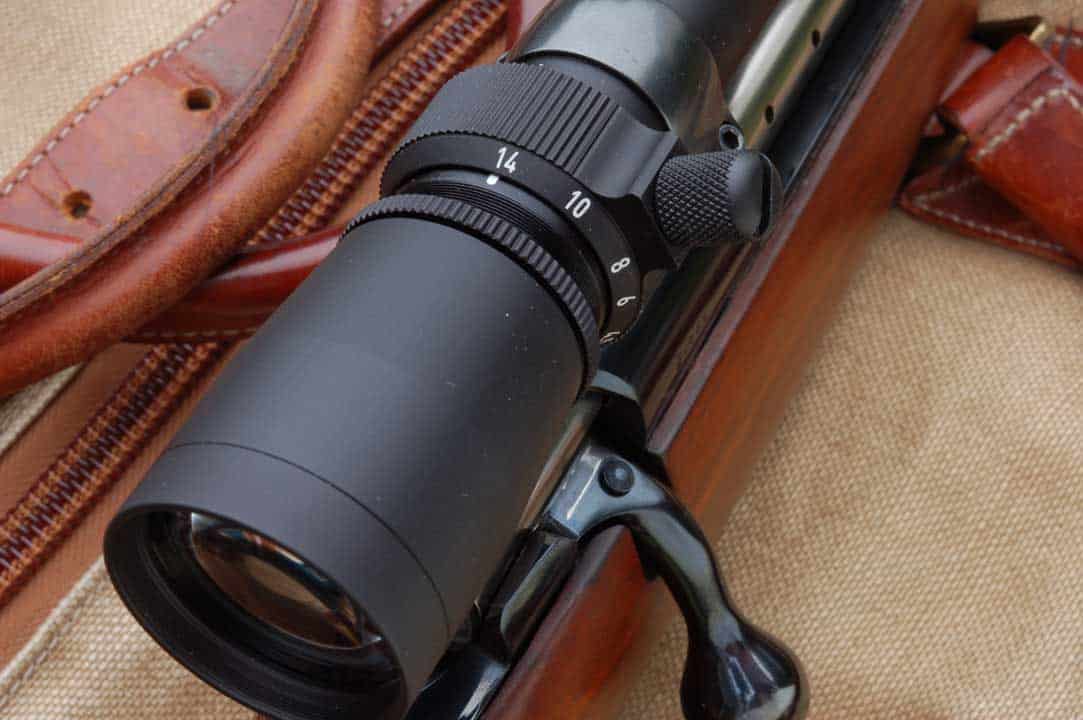
We mounted the new VX 3 HD taking advantage of the coincidence and let's immediately say that something else technical and certainly not the optics, are to be examined for the not too happy groups: on the other hand, the tests at the Carrù (CN) shooting range, guests of his friend Giorgio Rosso (Tel. 347 969 2677) made it possible to underline the performance of this model which falls within a range that we would define as being of high consumption due to its characteristics and price.
Let's start from what is subtended by the tube of limited amplitude: today the increasingly widespread diffusion of kipplaufs would require optics where the mass and the magnification and objective values are skilfully conjugated. We have used the conditional because often we notice choices a little in discrepancy with respect to a correct logical sequence, with heavy and imposing optics on rifles in which the manufacturer has put his own to remain in those forms and in those characteristic and peculiar weights of this type of weapon. Hence the narrower tube, compactness and reduced mass play a role on many shotguns, but especially on mountain ones, be it the characteristic single barrel or the more common bolt action.
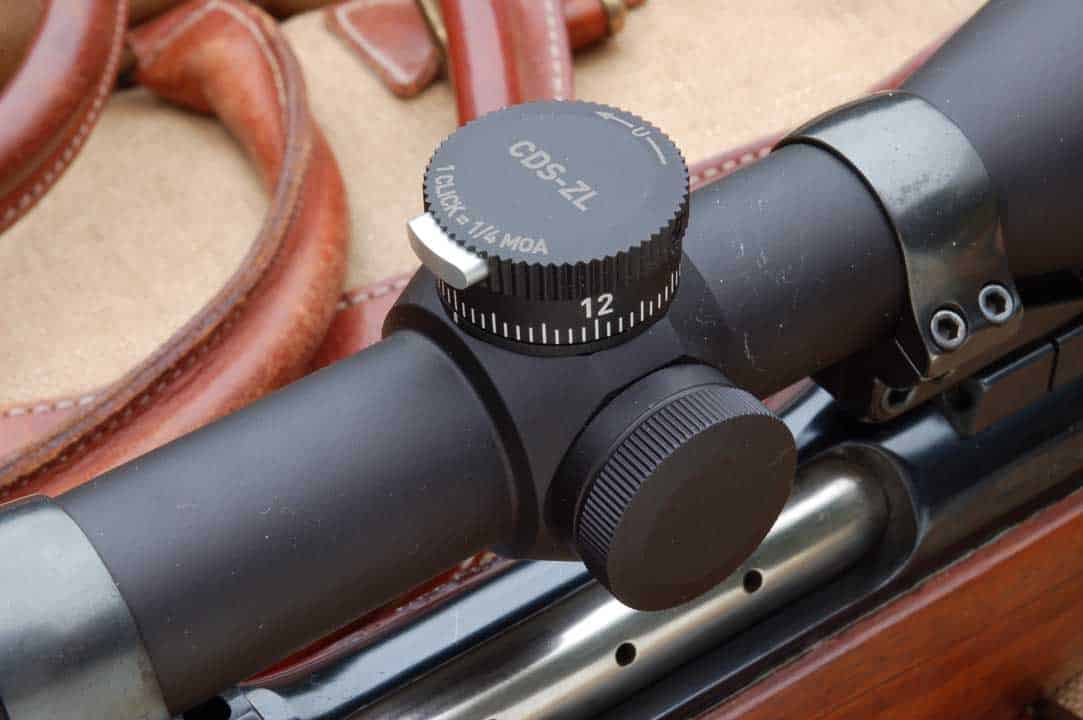
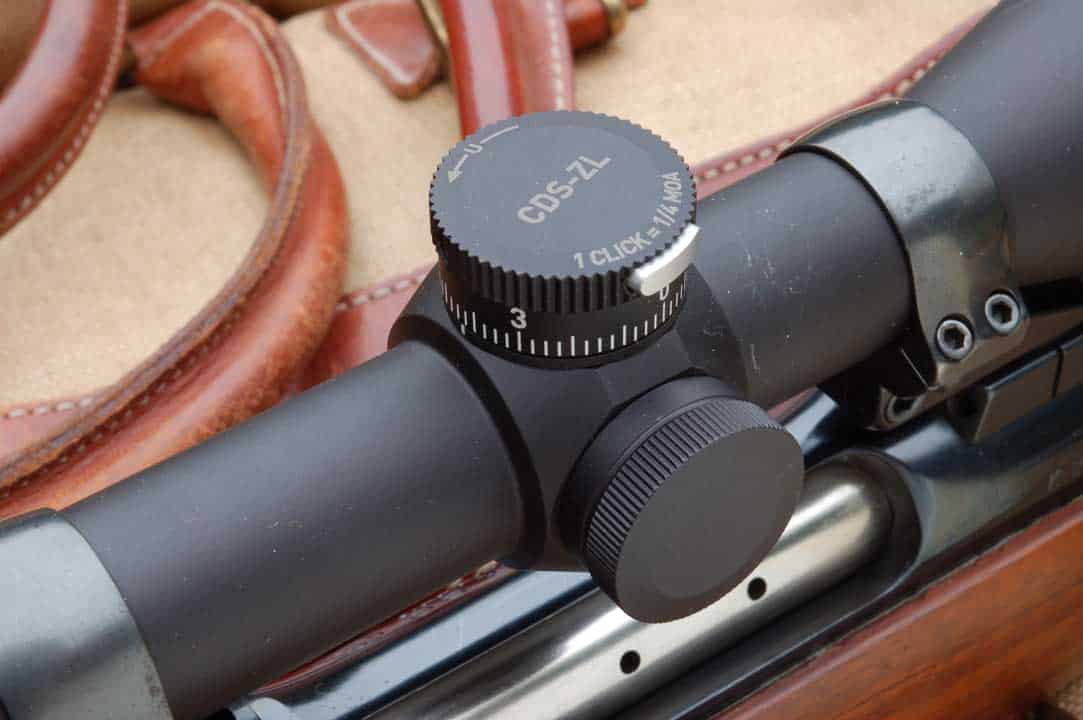
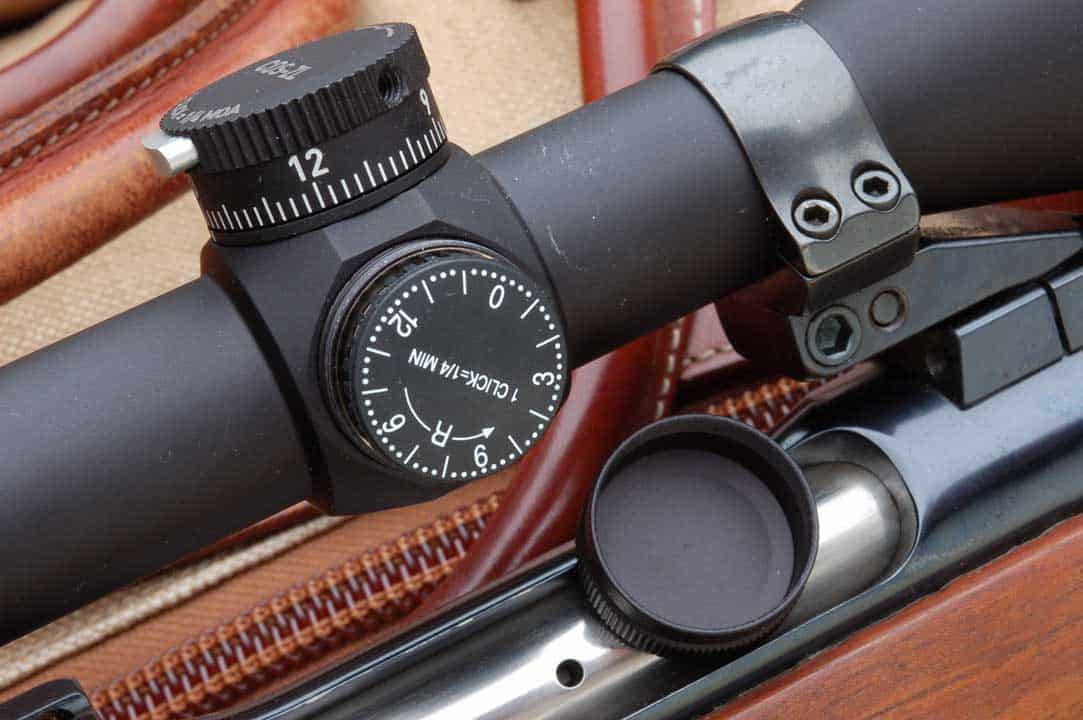
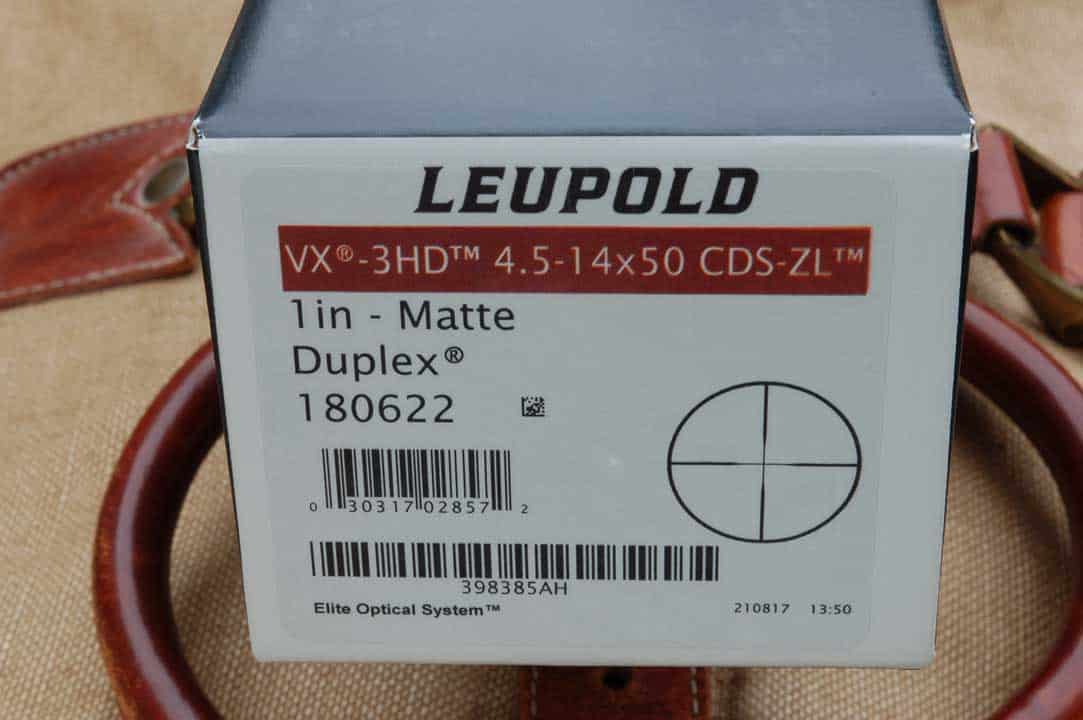
So after mounting the optics on the Sauer 90 , we stopped to make an initial aesthetic assessment: we continue to consider this German manufacturer's excellence one of the finest expressions of the sector, and the riflescope, of measured proportions, follows in perfect harmony: a very favorable first step because the eye also wants its part, and not just the one taking aim. We set out to test it on the shooting range at the Carrù range, appreciating the immediacy of the adjustments: unscrewing the eyepiece locking ring brings the reticle into focus, a Duplex type, perhaps the most common in the USA, and also often chosen here in Italy, with the four thickened bars leaving a thin central area, which is wider than usual for greater visibility on the field of action.
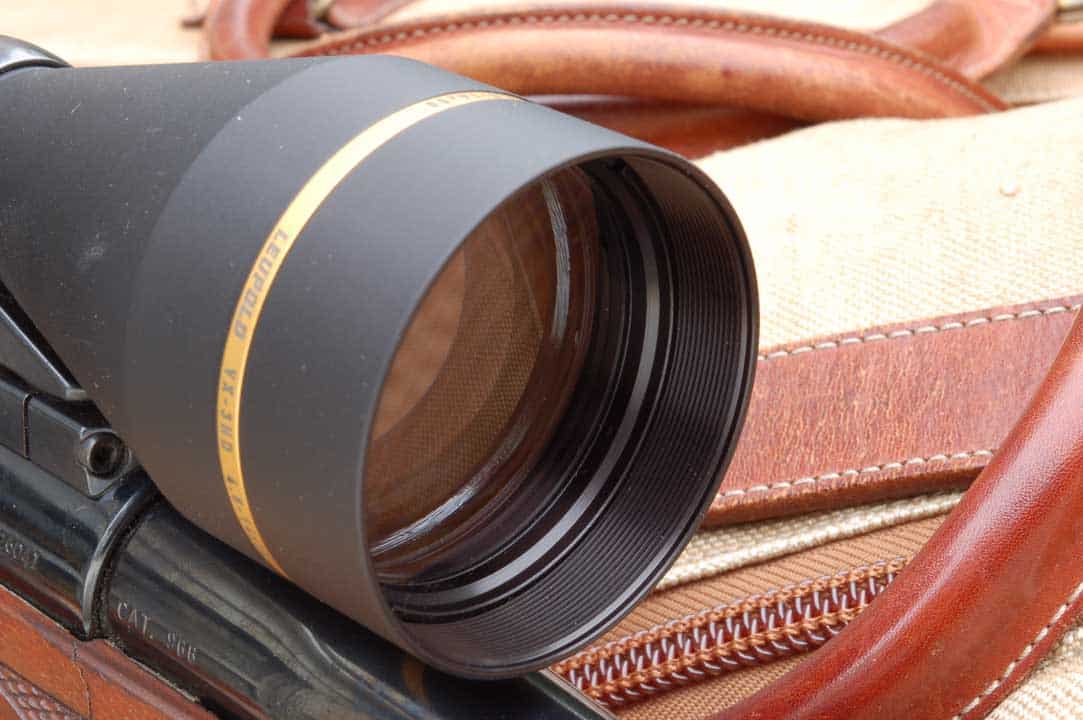
Target coverage is ideal for hunting, but also proves effective for shooting at the range. The interpupillary distance and exit pupil allow for quick targeting without straining the eye and head posture. The brightness of the HD (high definition) lenses, combined with the Index Matched anti-reflective coating , is highly favorable for high resolution, resulting in a sharp and detailed image. Contrast is also appreciated, the ability of these optics to detach the subject from a camouflaged background, the kind that game instinctively chooses to better elude the hunter's view. Furthermore, meticulous attention is paid to minimizing glare, the light that disperses within the optic and affects the detail, contrast, and color quality of the image. Even at the range, when the sun shines sideways or directly on the paper, the aforementioned advantages can be appreciated, allowing for precise control of the crosshairs' position on the aiming point and allowing for optimal shot placement.
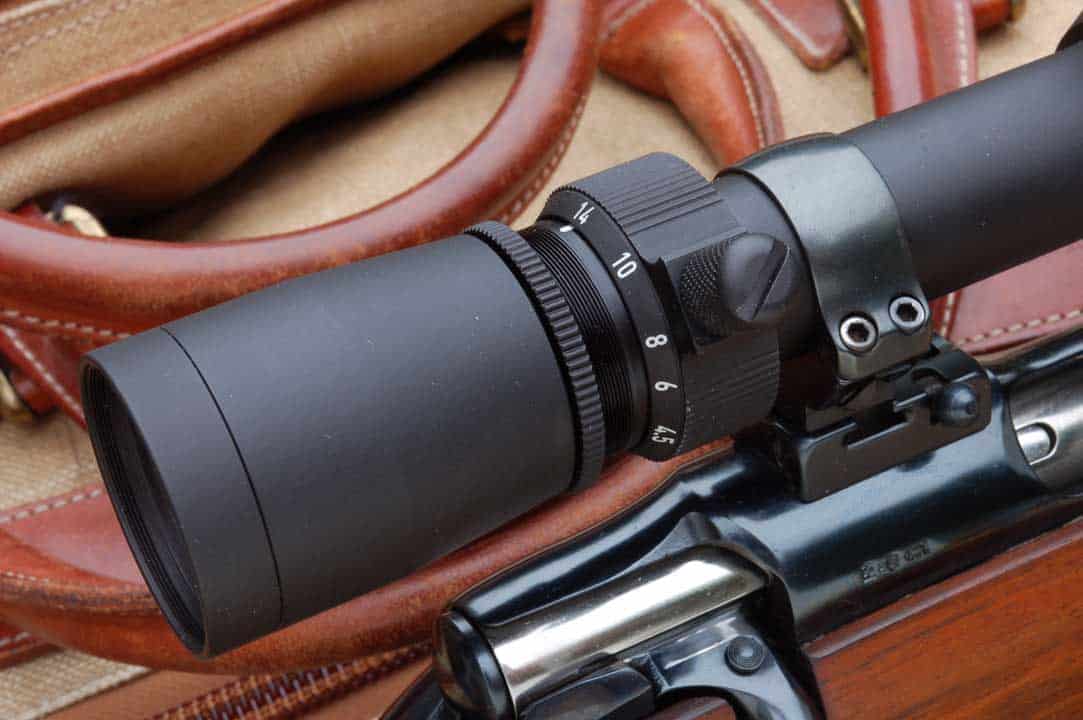
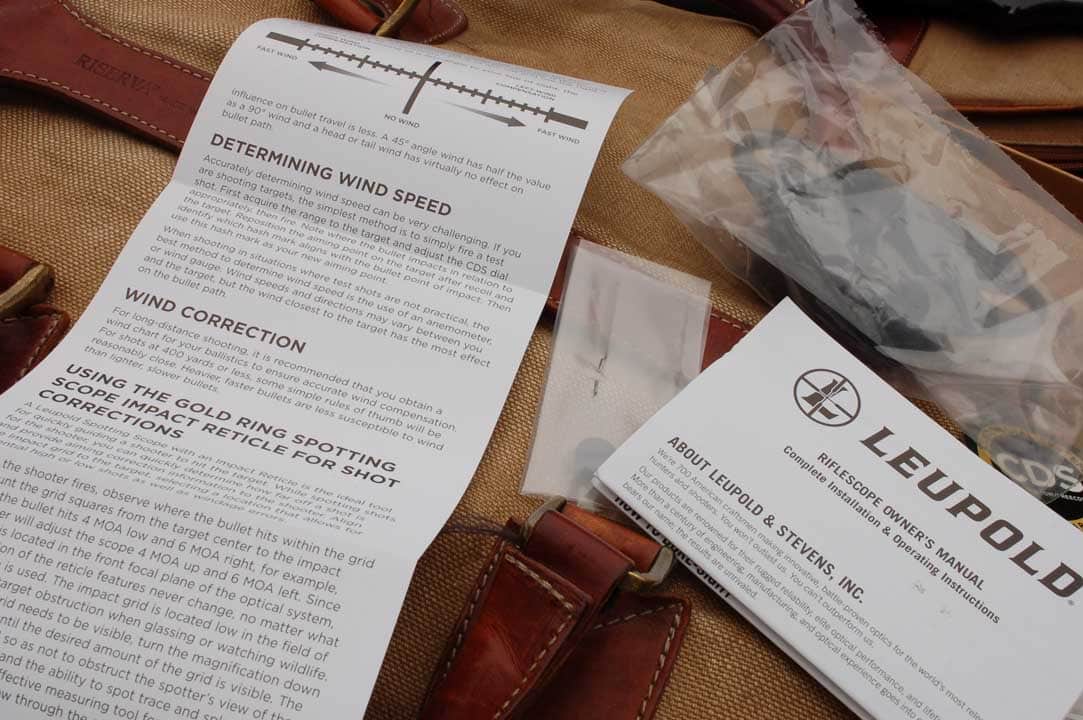
Adjustments to the turrets benefit from the well perceptible and distinctly audible clicks to the fingers combined with the regular and precise response of the impacts: one of the characteristics for which the Leupold is justly famous. The upper turret contains a spring button to intervene on the rotation: once the desired calibration has been reached, the small Allen key supplied is used to bring the reference to zero, thus having the graduated scale for raising and returning to the starting point reached which the button locks again. The drift adjustment is normal with the drum protected by a screw cap: here too there are lines of faith for fine-tuning and the value of each click subtends ¼ of MOA.
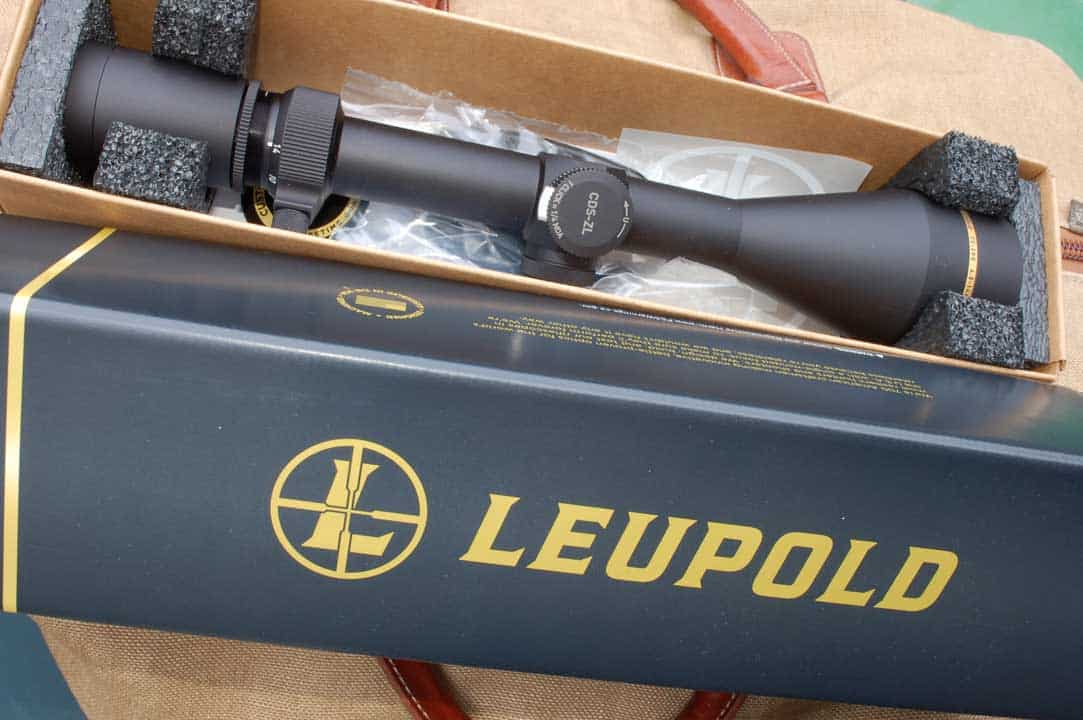
To conclude our discussion, let's give a couple of figures: 453,6 grams (basically one pound), the weight of this decidedly lightweight instrument, and €1.024 (VAT included), the price tag for this optic which, we repeat, remains one of the few equipped with a one-inch tube, which, in certain cases, is very convenient. This isn't exactly a very low price, but we find it adequate given a whole series of technical factors underlying that L embedded in the reticle crosshairs, including the lifetime warranty against malfunctioning of any component of the scope offered by the manufacturer, in addition to the exquisite and prompt service from Paganini of Turin.
You May Also Like ..