Wildlife management
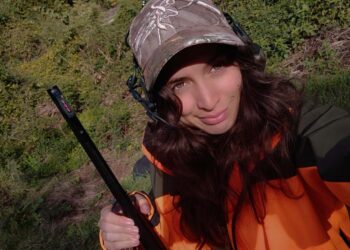
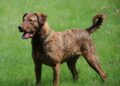
The Trentino Forestry Corps' Canine Unit is being strengthened with the addition of two new bear dogs . The six dogs are trained to detect the presence of bears, report their proximity, and, if necessary, discourage them from approaching homes, agricultural activities, or places regularly frequented by people with specific dissuasion measures. The staff's work is part of a broader wildlife management approach that includes prevention, education, and direct intervention. The handlers—all members of the Corps—live in symbiosis with their animals. Thus, Freja, a Jamthund—who arrived in Trentino from Sweden in 2023 and became operational in early July—and Scar, a West Siberian Laika just over three months old, adopted by his handler a few weeks ago.
Specific skills
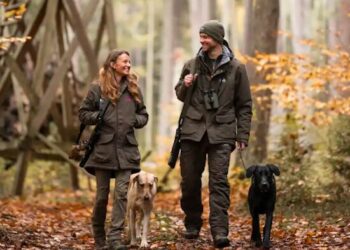
Bear dogs undergo a one-year training course before fully entering service, with the aim of developing specific skills and behaviors necessary for their work. These specimens not only learn to respond to verbal commands and manual signals from their handlers, but also undergo ad hoc olfactory training. To recognize and detect the tracks or presence of bears, these special specimens are trained through the use of bait or skins, signaling the presence of this smell clearly. Not only that, they are exposed to different situations and environmental stimuli to ensure they are calm and focused during field operations. Contrary to what happens with 'normal' pet dogs, which follow their owner during walks in the woods, dog units are specially trained to deal with the bear: when they identify it they tackle it with the aim of driving it away.
You May Also Like ..





Large carnivores
The bear dog unit was established in 2007. During 2023 it carried out 23 interventions related to the management of large carnivores in the provincial territory: in 8 cases it involved dissuasion of sub-adult class bears, while in 3 cases the The Unit's intervention was fundamental in reconstructing the dynamics of human-bear interaction and on 2 occasions it operated to support capture activities. The collision of plantigrades on the road remains one of the most delicate problems to be managed with canine units. In fact, last year there were 10 interventions to verify and make safe the areas where there were collisions with plantigrades that invaded the road. In all cases it was possible to observe the removal of the plantigrades from the site of impact, thus being able to declare the area "reclaimed" in terms of safety for people. Over the course of the year, the dog units support methodical training outings and some meetings, as well as training days aimed at training dogs in the search for organic samples on bear and wolf tracks appropriately created by the handlers (source: Province of Trento) .