The undeniable global spread of Prosecco in recent years has meant that the term itself has come to identify the entire category of sparkling wines. It's a bit like using Scotch tape to refer to adhesive tape, or paper towels to refer to absorbent paper. So let's sort out this sea of bubbles by starting with the textbook definition of sparkling wine: that is, a wine in which dissolved carbon dioxide creates an overpressure of at least 3,5 absolute atmospheres inside the bottle. This carbon dioxide is formed either through natural refermentation of the wine or through its artificial addition. When we finally uncork our bottle of sparkling wine, the drop in pressure creates the effect of effervescence, meaning bubbles and a more or less persistent foam form on the surface of the wine. But how is a sparkling wine made? The two most important and widely used methods are the Classic Method and the Charmat (or Martinotti) Method . Both start with a base wine to which a mixture of sugars and yeasts is added to trigger a secondary fermentation that will produce the wine's effervescence. Now let's look at the differences between the two methods!
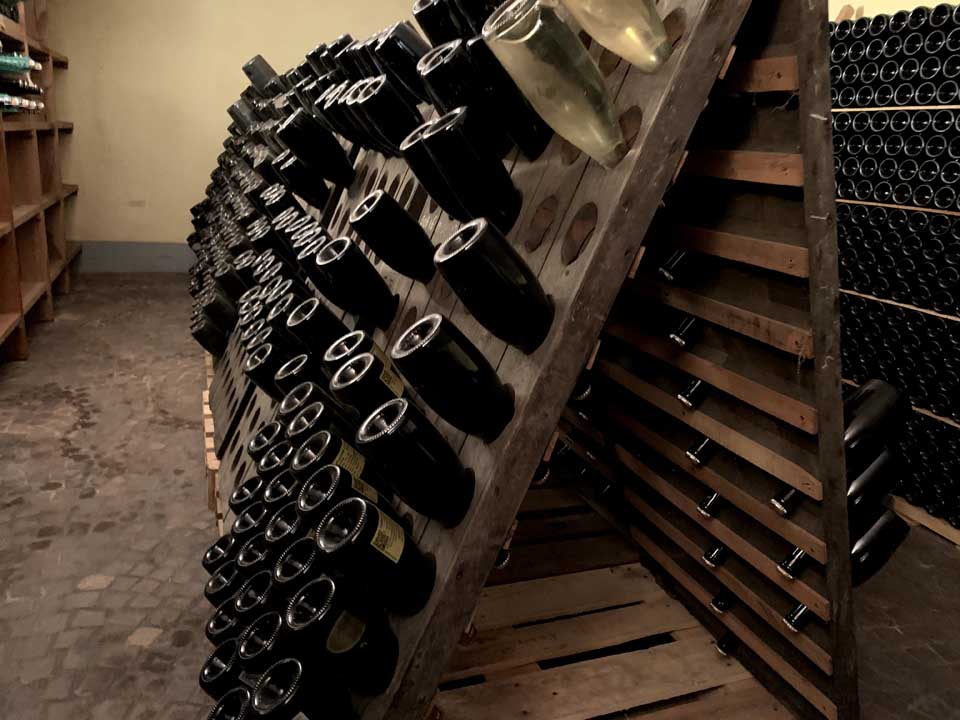
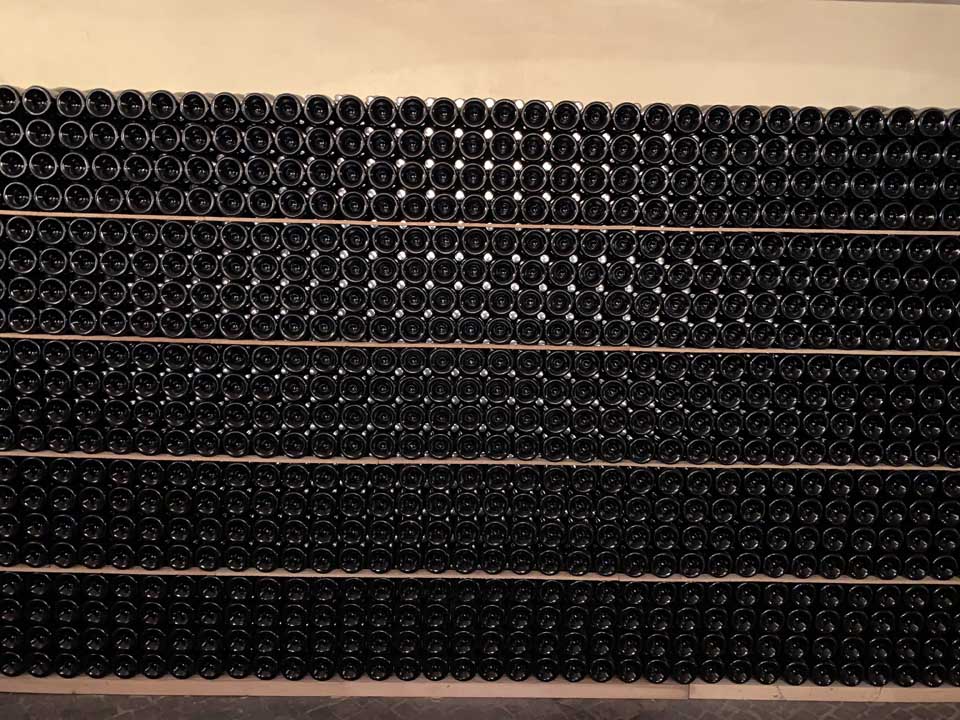
In the Classic Method , as mentioned above, we begin by identifying a base wine or a blend ( cuvée ) of base wines that differ in terms of grape varieties used, different vintages, or origins from different vineyards. This operation is particularly important because it will directly impact the quality of the final product. If the cuvée is composed of grapes from at least 85% of the same vintage, then the sparkling wine can be defined as “ vintage ” and the vintage can be indicated on the label; otherwise, it is a sparkling wine without an année . At this point, the wine is prepared for the second fermentation by adding a mixture of sugar, yeasts, and nitrogenous nutrients ( liqueur de tirage ) and is bottled, closing it with a temporary crown cork. The new fermentation continues in environments at a controlled temperature between 10° and 12° for several months, during which the prise de mousse, or the formation of carbon dioxide in the bottle, takes place. This is followed by a maturation phase, during which the sparkling wine rests on its lees, while the yeasts release certain substances that give the sparkling wine its characteristic aroma and flavor. After several months, when the sparkling wine has reached the desired level of maturation, the lees are removed through the process of remuage . The bottles are arranged on perforated shelves called pupitres in a nearly horizontal position. Little by little, on a daily basis, the bottles are tilted, shaken, and rotated 1/8 of a turn so as to reach a nearly vertical position with the cork facing downwards. In this way, the lees end up in a small cylinder ( bidule ) placed in the crown cork.
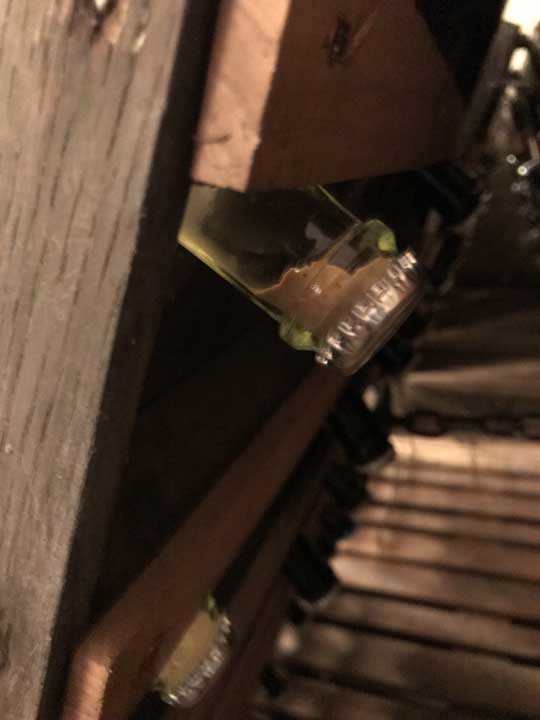
Nowadays, this operation can be automated and is carried out by giropalettes, large rotating baskets containing the bottles. Finally, the yeast deposit is eliminated from the bottle through disgorgement ( dégorgement ). Disgorging can be done in two ways: à la volée , which involves quickly uncorking the bottle so that the internal gas pressure pushes out the deposit, and then quickly recorking it; or à la glace , a procedure that involves placing the bottle necks in a solution of water and propylene glycol (non-toxic) at a temperature of -25/-30°C for 12-15 minutes, so that the deposit freezes, and then uncorking and releasing it.
The wine lost during disgorgement is replaced with similar wine or wine from previous vintages. Sometimes, a liqueur d'expedition , or dosage syrup, containing sugar and wine distillate, is added. The recipe for this liquid varies from producer to producer and is the winery's way of giving their sparkling wine a personal touch, resulting in a unique taste and bouquet. If the top-up is done with a liqueur d'expédition to which no sugar has been added, the resulting sparkling wine is called pas dosé (or zero dosage ). The final step in this method, used for making, for example, the famous Champagnes or sparkling wines from Franciacorta, Oltrepò Pavese, or Trento DOC, is to close the bottle with a cork and its characteristic wire cage.
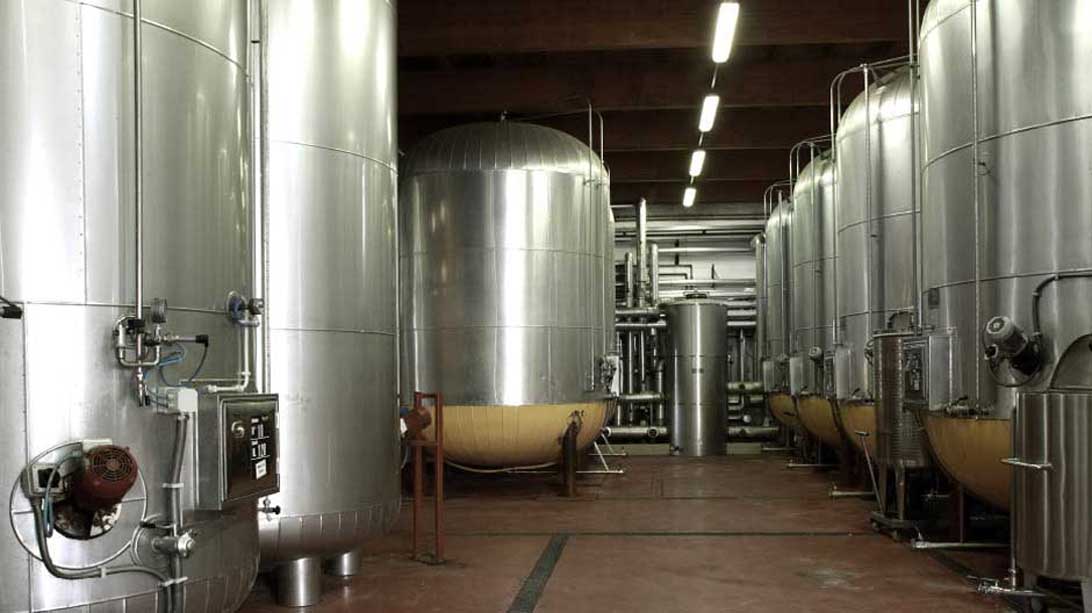
The other sparkling wine making method, used to produce the famous Prosecco, is the Charmat Method (or Martinotti Method ), which differs from the Classic Method because the second fermentation takes place in large autoclaves, rather than in the bottle. This process can last just 2-3 months, in which case it's called Short Charmat, or about 6 months, in which case it's called Long Charmat. This means that, unlike the Classic Method, the wine remains in contact with the lees for shorter periods. At this point, all that's left to do is uncork a nice bubbly, remembering that, according to sommelier rules, a bang is only allowed on New Year's Eve.
Which bottle to uncork? There is definitely plenty of choice! But maybe we'll talk about this later!