The perception of Italian consumers
The study proposes an in-depth analysis of consumption in order to compose a reference framework that is as complete and exhaustive as possible, capable of also dimensioning the economic repercussions.
Starting from consumption, for example, the study finds that among the 45 million adults who eat meat, 62% also consume game . In the majority of cases, this consumption occurs primarily outside the home (39% at restaurants). These interesting prospects for the game food supply chain are reinforced by the fact that a full 23 million Italian consumers (51%) say they are willing to purchase it for home consumption if it were easier to find.
Furthermore, respondents appear to be particularly careful and sensitive about adopting sustainable behaviors in their food choices . Compared to purchased meat, 72% consider it very important that it presents fewer health risks, and 70% that it comes from a traceable supply chain. Furthermore, respect for animal welfare and the environment is considered essential by 64% of the sample, just as 61% of respondents are careful that the meat does not come from intensive farming. Forty-seven% consider it important that the meat purchased is natural and comes from wild, not farmed, animals.

Regarding knowledge of hunting, however, it should be noted that there is widespread misinformation, with as many as 2 in 3 Italians declaring themselves insufficiently informed on the subject , and only 1 in 10 respondents stating they are fully aware of the laws and regulations governing hunting. Regarding the sources from which Italians would like to receive information, 60% of those interviewed identified public bodies as the most authoritative and appropriate sources for providing such information.
The environmental and social enhancement of hunting
Starting from a consultation with the main stakeholders, the Nomisma study was able to gather the diverse perspectives of a broad audience , essential for consolidating the economic evaluation phase, carried out through analysis, collection and data processing, aimed at determining the effects generated and potentially generated by hunting activity on the environment, the agricultural and social-health sectors, the community and the national economy.
Hunting , by safeguarding ecosystem resources, generates an estimated monetary value for society of nearly €8,5 billion . Specifically, hunting generates €708 million in natural value through activities to maintain wetlands and habitats, and specifically through the protection of protected natural areas, made possible thanks to funding from the hunting industry. Added to this is €20 million in agricultural value resulting from expenditures by Territorial Hunting Areas to compensate farmers for damage caused by certain wild species and/or to adopt related prevention measures. Savings of € 75 million derive from reducing the meat industry's ecological and water footprint by replacing intensively farmed meat with hunted game. The socio-health value of the sector, which corresponds in monetary terms to the damage avoided due to fewer hospitalizations and deaths linked to the effects of antibiotics in farmed meat or due to accidents with invasive species, is estimated at 124 million euros.

Finally, considering the economic value associated with the firearms sector and the demand for hunting products, a review of the sector literature reveals a value of 7,5 billion euros.
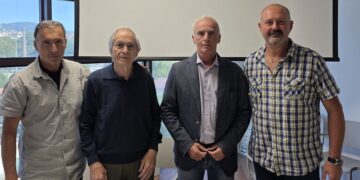
"For the first time ," states Marco Marcatili, Head of Development at Nomisma , " the hunting system has decided to open up to society, listen to the community, and initiate an open and transparent dialogue with the institutional, agricultural, and environmental worlds. Nomisma's work," explains Marcatili , "is, on the one hand, reassuring because it confirms the community's lack of hostility to hunting, and indeed an unprecedented openness to including more sustainable game in their diets. On the other hand, however, it encourages the Italian Hunting Federation to take greater responsibility in terms of greater information and openness to ethical and sustainable hunting. "There are not many activities in Italy that contribute €1 billion annually to environmental issues," concludes Marcatili . "Commitment in this direction will allow us to seize opportunities arising from the new climate scenarios, such as protecting fragile territories and strengthening national supply chains in terms of food and employment."
Valuable elements and areas for improvement of the hunting activity
Reading the results and interviews conducted by Nomisma highlights some valuable contributions, but also areas for improvement worthy of attention.
"We have decided to entrust Nomisma with an initial environmental assessment of the hunting activity in Italy in order to measure the real value generated for the community and the environment and investigate the perception of Italian families about our work. We are certain that promoting a better understanding of the dynamics that regulate the relationship between hunting and society can contribute to a just recognition of our role and our activity, in the light of the positive effects deriving from ethical and sustainable hunting" - said Massimo Buconi, National President of the Italian Hunting Federation. "The results show an important system already in place – continued Buconi – testifying to our potential role as actors in the ecological transition process, but highlight some areas for improvement, on which to structure a process of discussion with users, stakeholders and institutions. We intend to continue in this direction of dialogue, in a constant and incisive way". 
Hunters are recognized as "land sentinels" (or more technically, " citizens as sensors "), as volunteers involved in natural resource monitoring programs to improve management and contribute to research. The contribution that hunting can make to the community through wildlife management, environmental protection, and health surveillance programs conducted by volunteer hunters is also highlighted. At the same time, the need to support "ethical hunting" emerges , which not only complies with regulations but, above all, promotes the containment and control of illegal activities, promoting and consolidating the hunter's active role in protecting the environment and habitat. Another area for improvement is raising awareness within the hunting system as a whole about actions to limit environmental impacts and the greater development of a hunting model that is in balance with biodiversity. Finally, at the organizational and management level, the Italian hunting sector can strive for an adaptive approach that allows for the modulation of game harvests based on sustainability principles, strengthening monitoring and planning of hunting and control plans. This would help consolidate the compatibility between hunting and wildlife and environmental conservation.
BROWSE THE HUNTING ACTIVITY REPORT IN ITALY
FIdC Press Office
Nomisma Press Office

You May Also Like ..