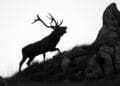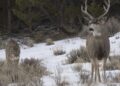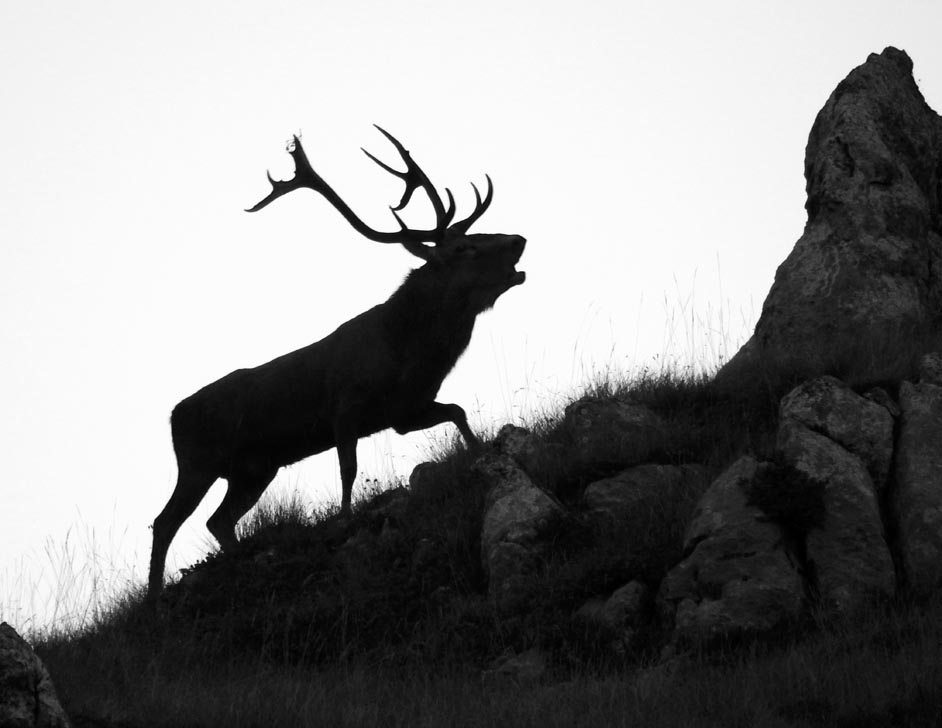
In the Berici Hills, roe deer have more than doubled in number over the past 10 years and have colonized the woods: of the 4200 in the province, a full 1000 inhabit our volcanic hills. The others live in the pre-Alpine hilly areas. They have long since abandoned the mountains : the peaks are the kingdom of the chamois (several can be seen both in the Piccole Dolomiti and on the Pasubio massif), which are estimated to number 3288. Along with them are the mouflon (approximately 1314 animals). On the Asiago Plateau, the deer is the king of the woods and pastures: its estimated number in the province is 1468. In short, the few "wild" areas in the Vicenza province are populated by an army of ungulates numbering up to 10300.
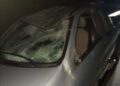
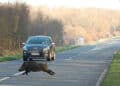
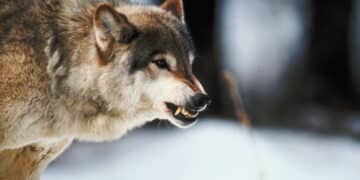
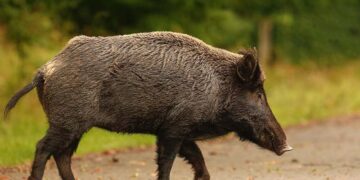
And farmers are noticing this, forced to protect their small plots of land bordering woodlands with nets to protect their lettuce . Orchards are also affected, and sometimes even vineyards. Last year, the provincial police authorized the culling of over 800 wild boars. However, the most obvious damage to agriculture is caused by wild boars: in 2020, the provincial police alone, commanded by Claudio Meggiolaro, filed reports for compensation totaling €450,000 . This compares with the 91 domestic animals (sheep, goats, donkeys, and calves) killed by wolves: in these cases, the compensation from the Region is worth ten times less, approximately €45,000-50,000.
And this is why the provincial police and the volunteer hunters who have been working alongside the officers since 2017 have doubled the culling of wild boars, a species considered alien: 435 culls of wild boars 4 years ago; 400 in 2018; 796 in 2019 and 810 in 2020. A number that is just under half of the ungulate culling plan envisaged by provincial and regional regulations to maintain the balance of the ecosystem: in fact, the total number of animals culled last year was 1861 ( LaPiazzaWeb ).
You May Also Like ..