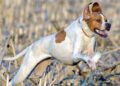
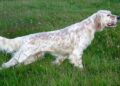
Hunting with a pointer dog in the wilds of Swedish Lapland
Swedish Lapland. Just by pronouncing this name, the images that begin to cross our minds show us spectacular, exciting and uncontaminated landscapes. Here wild nature, adventure and freedom are the three dominant elements that can be perceived right away, as soon as one sets foot in this Scandinavian land, so fascinating and sometimes even extreme.
Forests, mountains, lakes, streams and vast expanses make Lapland a real corner of paradise for all those who love nature and beyond. In Lapland any lived experience is capable of making us feel the protagonists of naturalistic and landscape reports of depth, where every emotion, every sensation is amplified and enhanced, giving life to extraordinary stories. Hunting is also one of these experiences, and it could not be otherwise since Lapland is part of that huge region called Scandinavia which takes its name from the Nordic Goddess Skadipatroness of hunting. 
In this remote corner of the Far North , just a few kilometers from the Arctic Circle, lies a destination every hunter has dreamed of visiting at least once in their lifetime. The hunting experience with dogs that this land offers is unique and unparalleled, thanks also to the fact that its location and distance from the rest of the world mean it is rarely reached by tourists.
Swedish Lapland is the kingdom of feathered game par excellence . Depending on the time of year and the location you visit, you can hunt:
- grouse
- black grouse
- francolins
- woodcocks
- arctic partridges
- northern partridges
Just in the period in which Swedish Lapland opens the hunting season, Montefeltro organizes hunting trips in this uncontaminated land, proposing two different itineraries: one which foresees the forests, and another that instead will take place in Mountains. The difference lies not only in the type of terrain that will have to be faced, but also in the species of birds that will be hunted. 
Capercaillie and black grouse, lords of the Lapland forests
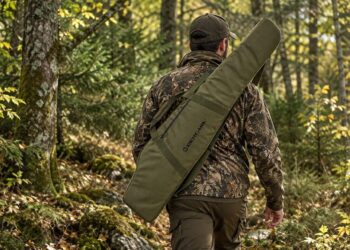
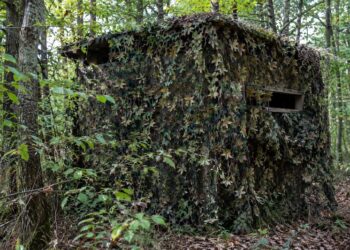
Birches and conifers dominate the wild vegetation of the forests of Swedish Lapland. The canopies of the tundra trees are home to hazel grouse, often woodcocks, but especially capercaillie and black grouse, the lords of the forest, which will give hunters and their auxiliaries a hard time.
These bird species are quite common in the forests of Lapland. In this part of the world, in fact, they have no particular natural predators and therefore their population is constantly increasing. These two species are known for their marked elusiveness: to hunt them, in fact, dogs will really have to bring out the best in their hunting repertoire. 
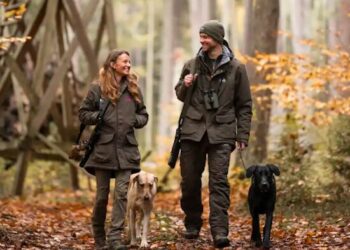
Capercaillie and black grouse often share their habitat, where they almost always manage to hide and escape when the dogs arrive. Tenacity, perseverance, and sacrifice are therefore the essential elements for bringing home this cunning and skilled game bird. The secret is to advance silently , avoiding making any kind of sound or noise that could scare the bird away, and to choose to have expert assistants with a rock-solid point at your side.
Although the Lappish forest is undoubtedly magical, the hunting grounds of Swedish Lapland can really challenge even the most experienced hunter and the most capable auxiliary. In dense coniferous and deciduous forests the terrain is covered with shrubs, stones and huge boulders. But not only. Often we come across areas covered by mosses and vast peat bogs soaked in water which can make the advance of both the hunter and the dog tiring.
The rock ptarmigan, between the peaks and skies of Lapland
Moving to the mountains, the protagonists become the splendid ones white or arctic partridges. Their exceptional ability to adapt, due to camouflage and thick plumage, guarantees their survival in this extreme land. As summer ends and winter approaches the partridges begin to blanch and head among the peaks above 2000 meters of altitude to seek shelter and food. Indeed, it is in the mountains that they have found their perfect habitat. 
The altitudes at which they are found make hunting ptarmigan extremely demanding . To reach their habitat, one must cross the wildest and most inhospitable mountain areas and impervious rocky terrain, which can only be tackled by hardy pointing dogs equipped with a wide search and a solid point.
And once they are found, the shot may not be successful. In fact, partridges can take flight at any time and with their color they manage to blend in well with the surrounding environment.
Leaving with Montefeltro for Swedish Lapland
If this whole adventure has piqued your interest and you want to experience the intense hunting experience in Swedish Lapland, all you have to do is book your spot and set off with Montefeltro. The eight-day trip includes departures:
- from August 25 regarding the Forest program dedicated to the hunting of capercaillies, black grouses, francolins and woodcocks;
- from 16 September, however, for the mountain program and ptarmigan hunting.
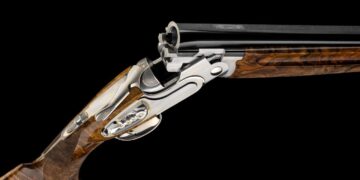
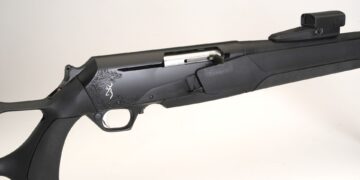
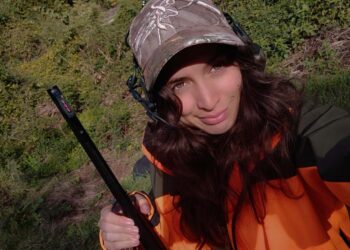
All you will need is a light rifle with 65-68 cm barrels and modest chokes (****/**), cartridges with 32/34 grams of lead No. 8 and 7 for partridge hunting, and other with lead n° 6 and 4 for hunting in the forest.
You May Also Like ..