Sightings and reports
A meeting of the Institutional Technical Committee, convened by Prefect Natalino Manno, was held at the Prefecture of Lecce to jointly examine the situation regarding recent sightings and reports of interaction between the Apennine wolf and human activities in the Salento area, with particular attention to the critical issues identified in the municipalities of Melendugno (in the Cesine protected area) and Gallipoli. The meeting, chaired by the Prefect and held online to facilitate interinstitutional coordination, was attended by representatives of the main civil, scientific, and land conservation authorities: the Puglia Region's Department of Agriculture and Rural Development, Francesco Paolicelli; the Province of Lecce; the local governments of Scorrano and Melendugno; the Lecce Carabinieri Forestry Group Command; the General Directorate and Veterinary Service of the Lecce Local Health Authority; managers of ISPRA (Istituto Superiore per la Protezione e la Ricerca Ambientale), the Departments of Veterinary Medicine and Biosciences of the University of Bari; representatives of the CNR Iret (National Research Council), along with the director of the "Le Cesine" State Nature Reserve and the director of the Bosco e Paludi di Rauccio Regional Natural Park, representing the Salento regional parks participating in the Memorandum of Understanding with the Province of Lecce.
Concomitance of factors
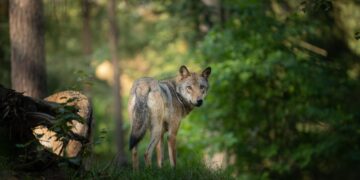
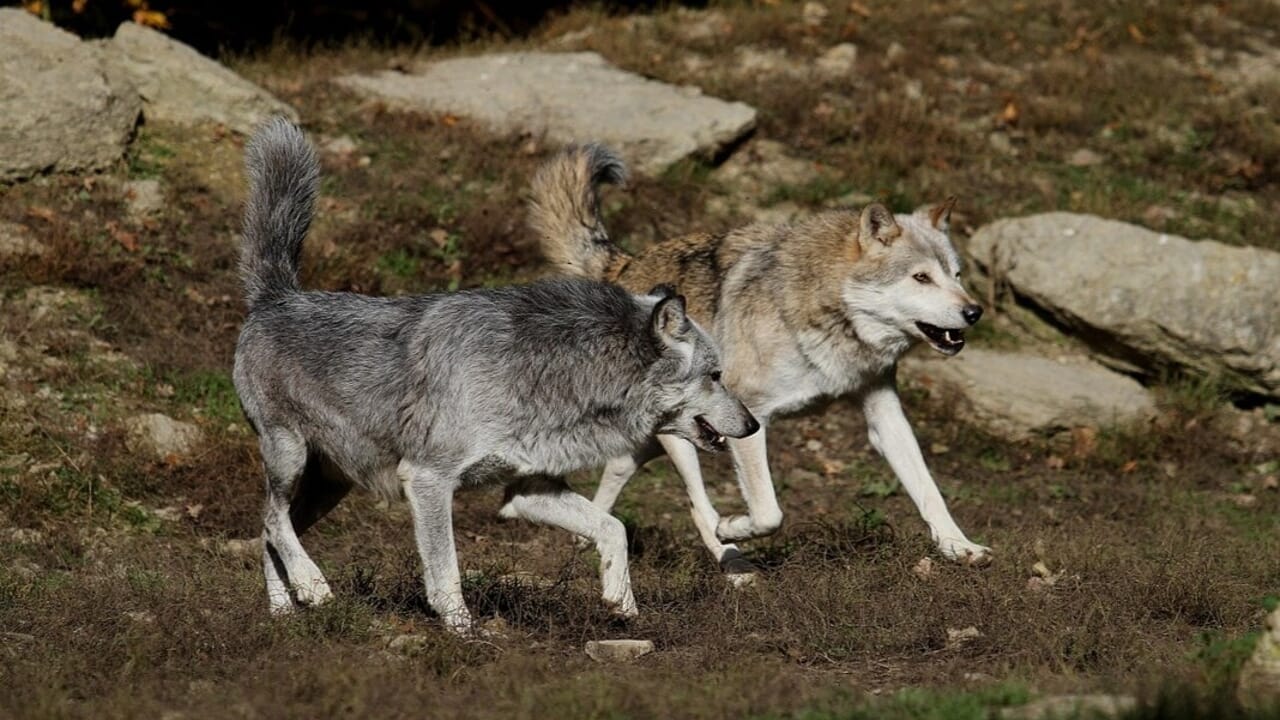
During the meeting, it was highlighted that the current trend of wolves increasingly approaching residential areas and urban areas is due to a combination of factors, including the scarcity of natural prey in the area, the high presence of pets, and the frequent and incorrect abandonment of organic waste, including for the purpose of feeding wild animals—circumstances that serve as a lure for the animals. During the meeting, an initial overview of sightings and incidents of interaction reported throughout the province was conducted, in order to identify the most critical areas. Specifically, sightings and incidents of animal aggression were reported on the Adriatic coast, in the areas of Lecce, Poggiardo, Maglie, and Scorrano, and on the Ionian coast, between Gallipoli and Casarano. However, the presence of wolves in the Le Cesine Nature Reserve appears to be reduced compared to the past, likely due to the sharp decline in the local wild boar population.
No alarm factors
Overall, the phenomenon appears to be under control, and no alarm bells have been raised regarding the presence of wolf populations. However, the Puglia Region is in the process of adopting a special management plan for the phenomenon, which will be followed by the issuance of specific guidelines that will be shared at the Prefecture, involving all relevant bodies, including local governments and representatives of hotel and hospitality industry trade associations. This will also raise awareness among owners of accommodation facilities located within green spaces about proper waste management, as the abandonment of waste attracts these animals.
You May Also Like ..

Monitoring of the species
In close collaboration with ISPRA, the Puglia Region, and the Province of Lecce, the foundations for an integrated scientific monitoring strategy for the species have been established. This was supported by the long-standing working group within the Province of Lecce, which has also initiated a study aimed at balancing the needs of protecting public safety with those of respecting protected wildlife species. The Province of Lecce also coordinates the Salento Network of Parks and Nature Reserves for the monitoring of terrestrial mammals, a virtuous model of interinstitutional collaboration that enhances the role of protected area management bodies, as institutionally responsible for protecting natural ecosystems and as privileged territorial overseers for understanding, monitoring, and managing wolf presence, also due to their proximity to the territories hosting the species' populations.
Behaviors to adopt
The importance of disseminating information and pooling reports received by the Carabinieri Forestali Group Command was emphasized. This group ensures a widespread presence throughout the province, ensuring crime prevention and providing informational support to citizens. In drawing the public's utmost attention, the Prefecture and the institutions present emphasized the fundamental importance of the population adopting virtuous behaviors to prevent animals from approaching urban centers. These behaviors are summarized in the attached handbook prepared by the CNR Iret (CNR Iret) at the request of the Puglia Region (source: Ministry of the Interior).